Address
304 North Cardinal
St. Dorchester Center, MA 02124
Work Hours
Monday to Friday: 7AM - 7PM
Weekend: 10AM - 5PM
Address
304 North Cardinal
St. Dorchester Center, MA 02124
Work Hours
Monday to Friday: 7AM - 7PM
Weekend: 10AM - 5PM
Many consumers consider a perfume’s longevity to be one of the main criteria for judging its quality. While there’s some truth to that, just think about it: don’t many low-quality perfumes that cost only 20 or 30 yuan still last an absurdly long time?
So, a perfume’s longevity isn’t directly related to its quality—be careful not to fall into the trap of consumerism!
So the question is, what factors actually determine how long a fragrance lasts?
Why is it that, even among perfumes, citrus and green notes fade so quickly—disappearing in the blink of an eye—while woody and oriental notes last so incredibly long?
(1) Limitations of the Raw Materials Themselves
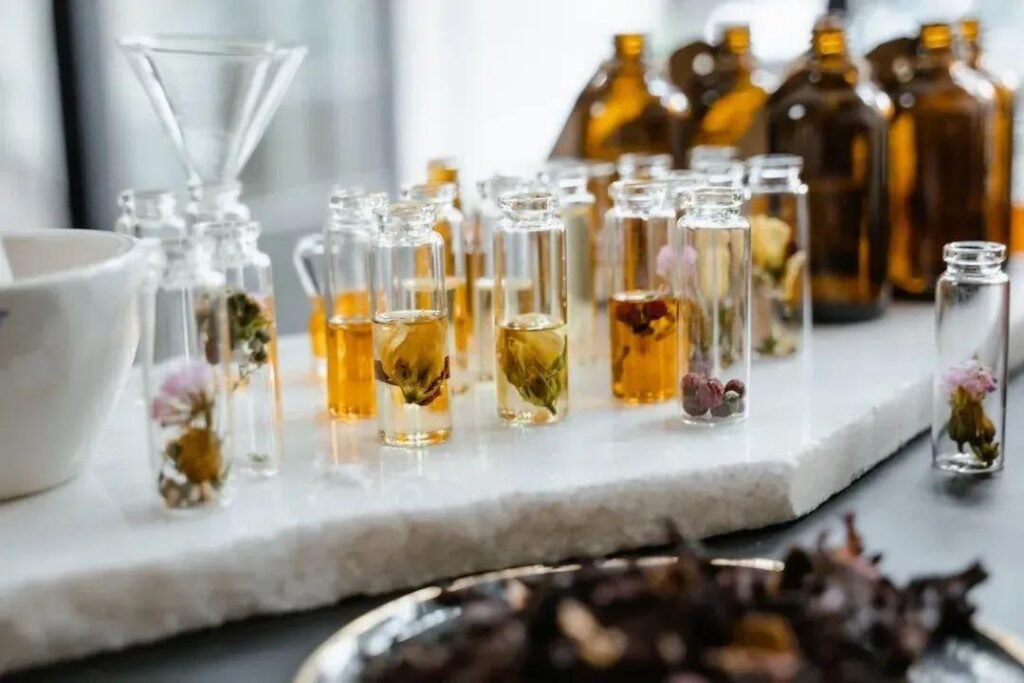
The primary factor determining a perfume’s longevity is the fragrance profile—specifically, the inherent limitations of the raw materials used in the perfume. This is closely related to the raw materials’ vapor pressure, olfactory threshold, and molecular weight.
※ Vapor Pressure
The lower the vapor pressure, the slower the raw material evaporates, and the longer the scent lasts.
Methyl dihydrojasmonate, commonly used in white floral fragrances, has a vapor pressure of 0.21 Pa (25°C), while ambroxan has a vapor pressure of 0.066 Pa (25°C). This explains why ambroxan serves as a fixative to extend the longevity of a perfume.
※ Olfactory Threshold
The lower the olfactory threshold, the longer it takes for people to detect the odor.
The olfactory threshold for limonene is 0.437, while that for 3-methylindole is 0.019. Therefore, even when you can no longer detect the lemon scent, you can still smell the musty odor of indole.
※ Molecular Weight
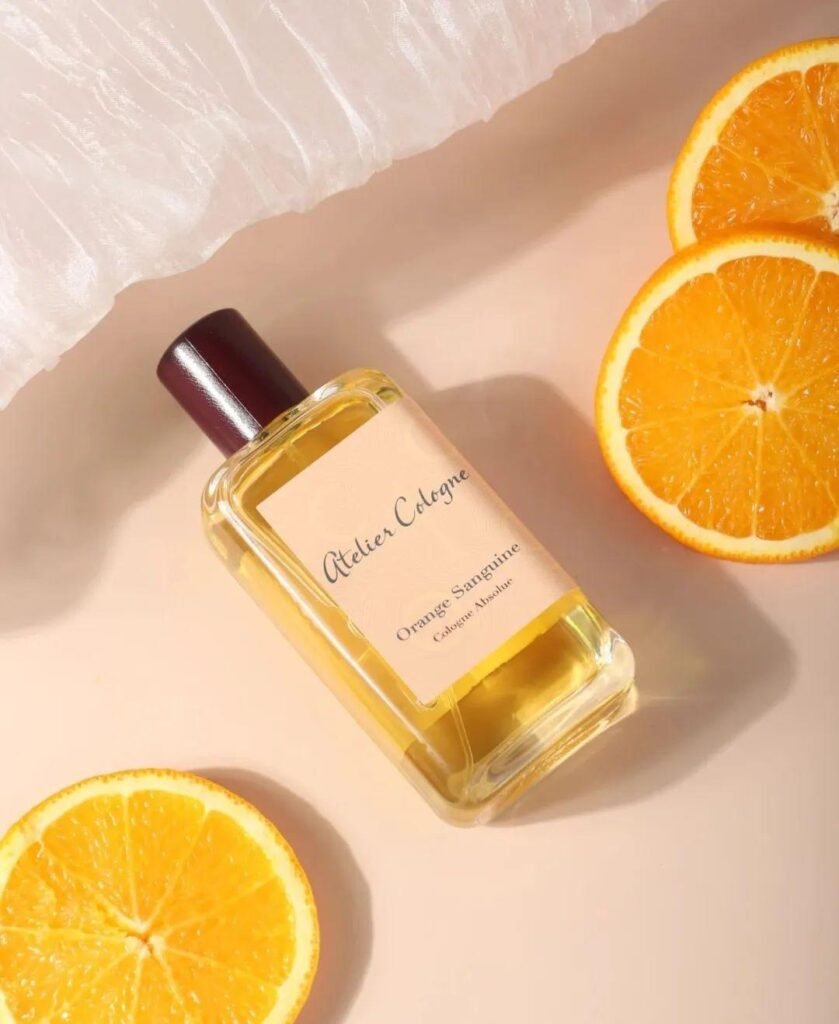
The lower the molecular weight, the faster the ingredient evaporates. Since citrus has a low molecular weight, citrus-scented perfumes generally have a short-lasting scent.
In addition, the longevity of a perfume is also influenced by the following factors:
(2) Perfume Concentration
The higher the concentration of a perfume, the greater the percentage of fragrance oil it contains, and the longer the perfume will last.
EDC: Eau de Cologne (3–5% fragrance concentration) EDT: Eau de Toilette (5–15% fragrance concentration) EDP: Eau de Parfum (15–20% fragrance concentration) Parfum: Pure Perfume (20–30% fragrance concentration) Perfume Concentration: EDC < EDT < EDP < Parfum Longevity: EDC < EDT < EDP < Parfum
Note! This statement is only valid when referring to “the same fragrance and the same formulation”! For most citrus-scented perfumes, even the Parfum version may not last as long as a woody-scented EDT.
(3) Temperature
The higher the temperature, the faster the perfume evaporates. Whether it’s your body temperature or the ambient temperature, an increase will accelerate evaporation and shorten the scent’s longevity.
(4) Amount of Perfume Applied
Applying more perfume naturally results in longer-lasting scent, as there is a greater amount of ingredients to evaporate.
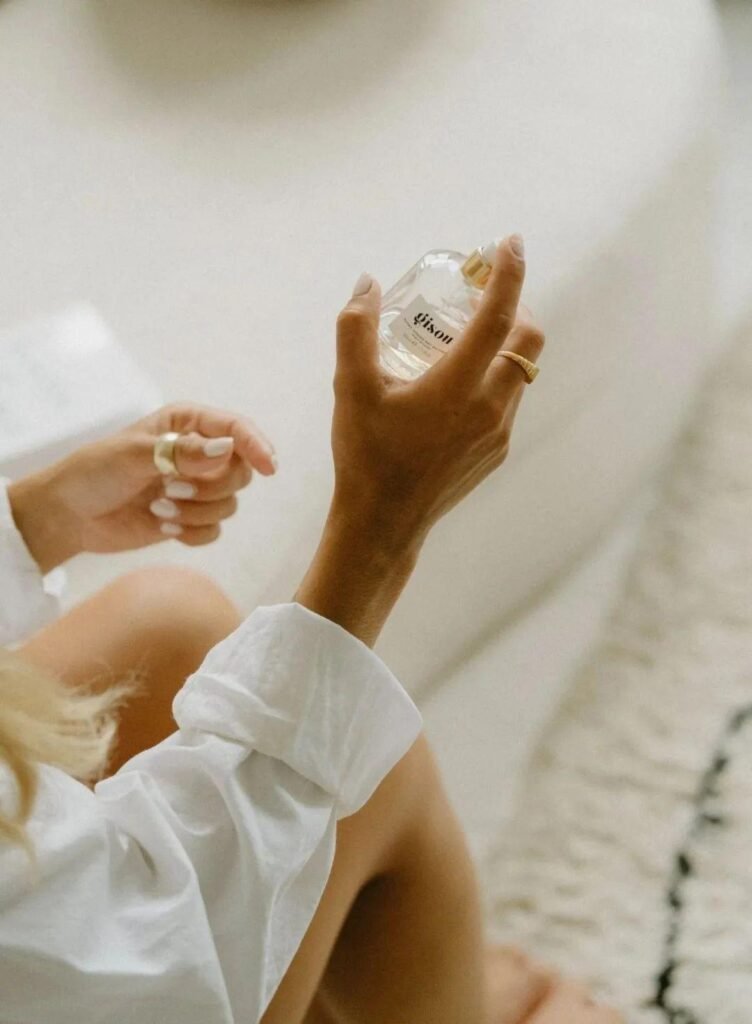
(5) Olfactory Fatigue
Prolonged exposure to the same scent causes your nose to adapt to it, leading to a dulling of your sense of smell. This can result in a situation where you can’t smell it yourself, but others can.
It’s like after a high school PE class: when you first walk into the classroom, the combined smells of sweat, snacks, and spicy jerky hit you all at once, making you want to run away. But after spending just five minutes in that environment, you stop noticing the smells.
In short, the reason you find a fresh-smelling perfume doesn’t last is the same as why you might find a lightweight foundation lacks coverage.
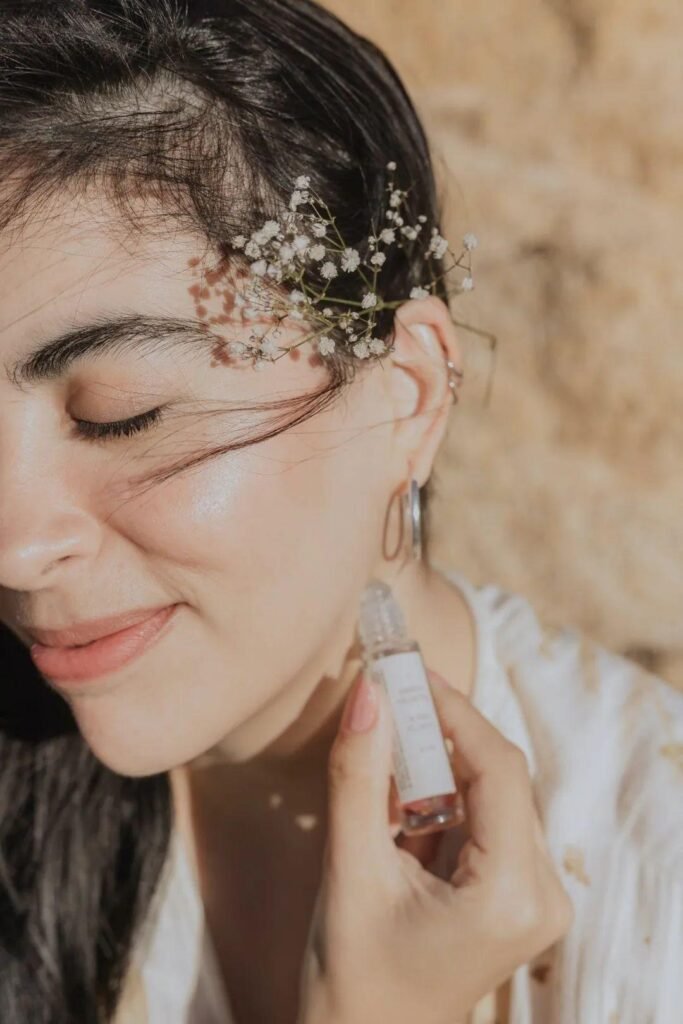
(6) Tips for Making Your Fragrance Last Longer
You can’t have your cake and eat it too, but here are two tips to help your fragrance last longer~
(1) Spray it after a shower, or apply some unscented body lotion first. Perfume lasts longer on damp skin.
(2) Spray perfume on cooler areas like your clothes or the ends of your hair. Since it evaporates more slowly there, the scent naturally lasts longer.
You can want a perfume that lasts, but please don’t expect it to last while still smelling fresh.
It’ll just cry out to you, “I just can’t do it~~~”