Address
304 North Cardinal
St. Dorchester Center, MA 02124
Work Hours
Monday to Friday: 7AM - 7PM
Weekend: 10AM - 5PM
Address
304 North Cardinal
St. Dorchester Center, MA 02124
Work Hours
Monday to Friday: 7AM - 7PM
Weekend: 10AM - 5PM
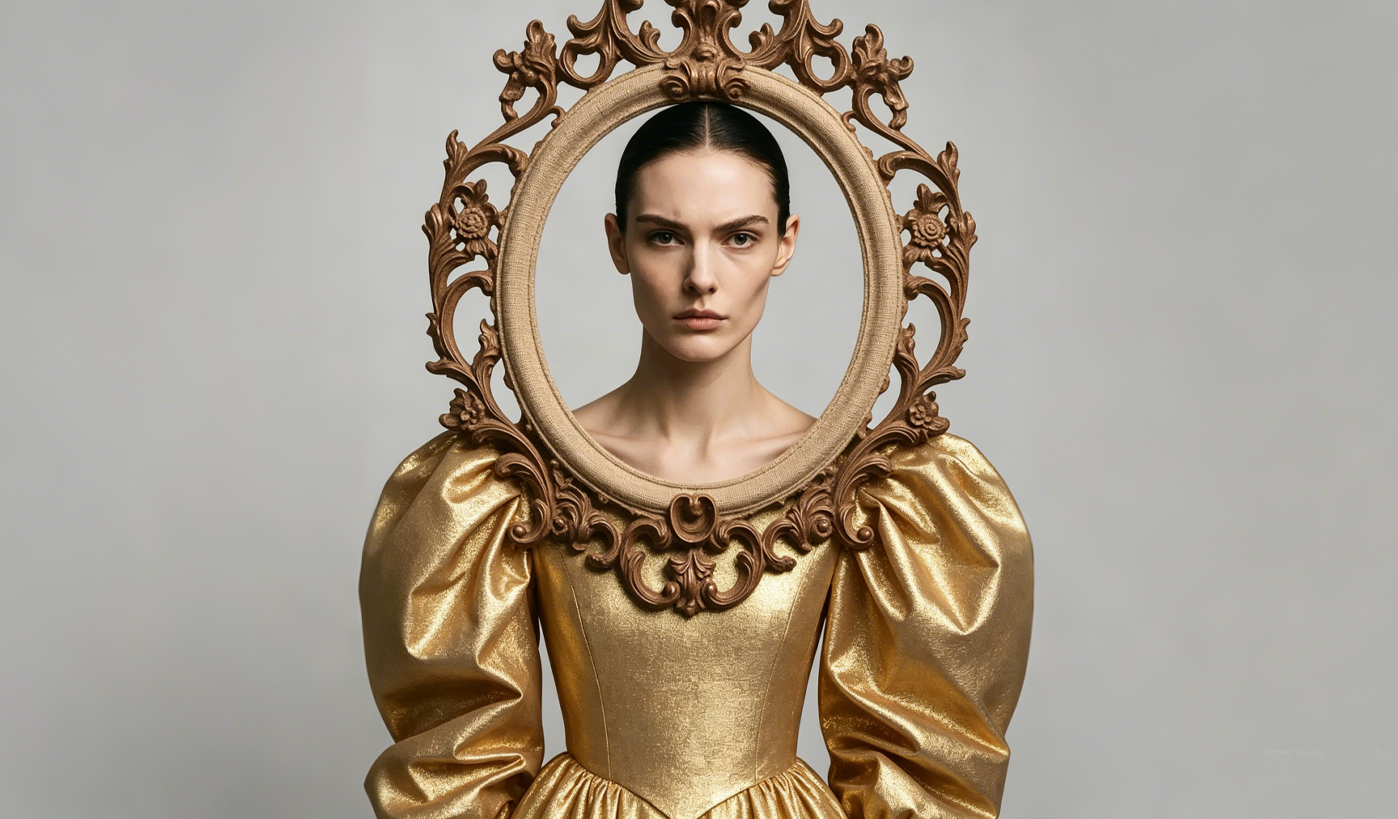
The history of modern perfumery is a history of revolution in the realm of scent. Over the centuries, countless brilliant innovations have emerged, breaking down the boundaries between technology and aesthetics and reshaping the course of perfumery.
Today, join us as we explore 10 landmark perfumes from history.
– Farina 1709 Classic Eau de Cologne –
· The beginning of the story, the prototype of modern perfume ·
There are many theories regarding the origins of cologne, but the most widely accepted one is that an Italian pharmacist named Giovanni Maria Farina
left his homeland to work in the small town of Cologne, Germany, where he changed his name to Johann Maria Farina.
In 1709, drawing on traditional Italian folk recipes, he created this classic 1709 cologne and named it “Eau de Cologne,”
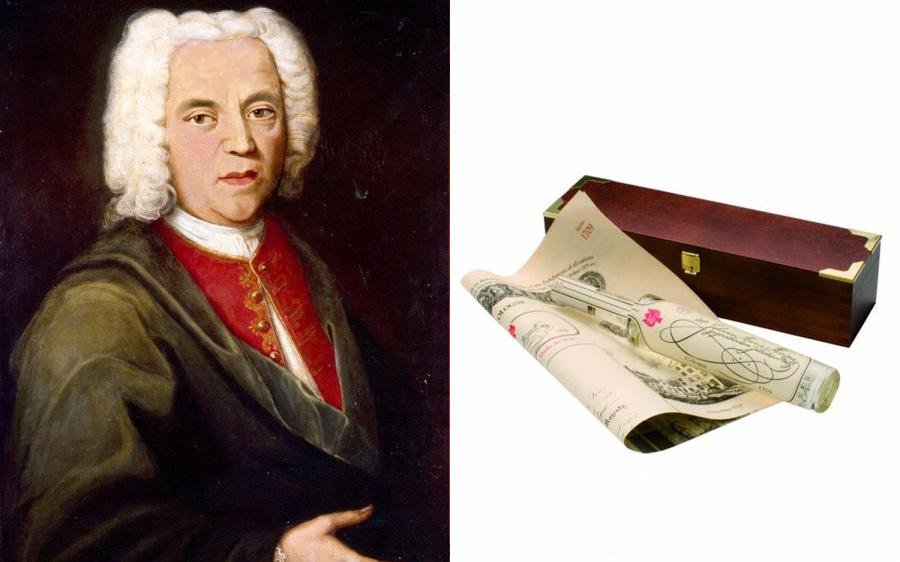
In an era of poor hygiene, its crisp, invigorating scent defined the standard of cleanliness. Since then, “Eau de Cologne” has become more than just a brand; it has evolved into a category of perfumes characterized by citrus and herbal notes and a lower concentration, laying the foundation for modern perfumery.
—— Hobigent Royal Fougère ——
· The originator of the fougère fragrance family; the dawn of synthetic fragrances and the modern perfume industry ·
Hobigent Royal Fougère was the first true modern perfume. In the late 19th century, the wave of the Industrial Revolution swept through the perfume industry.
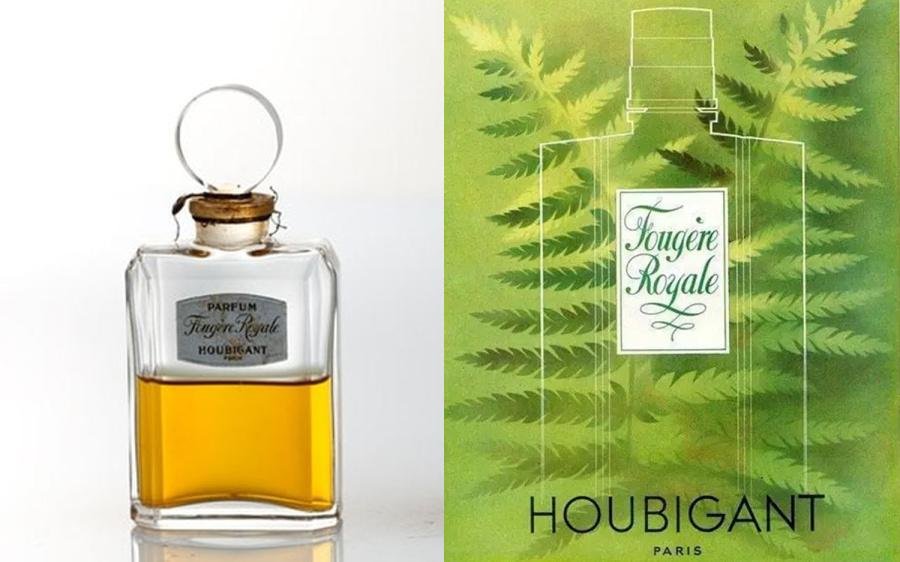
Perfumer Paul Parquet boldly incorporated the synthetic fragrance coumarin into his creation. He combined the warm, hay-like scent of coumarin with lavender, citrus, and oakmoss to create a “fern-like” concept that does not exist in nature. It broke free from the constraints of single-floral perfumes, and its core ingredients—lavender, coumarin, and oakmoss—remain the cornerstone of fougère fragrances to this day.
—— Coty Chypre ——
· The originator of the chypre family, creating the backbone of perfumery ·
“Chypre” takes its name from the island of Cyprus, where oakmoss grows in abundance. Although similar concepts existed before, it was this Coty Chypre that truly defined the essence of the chypre family.
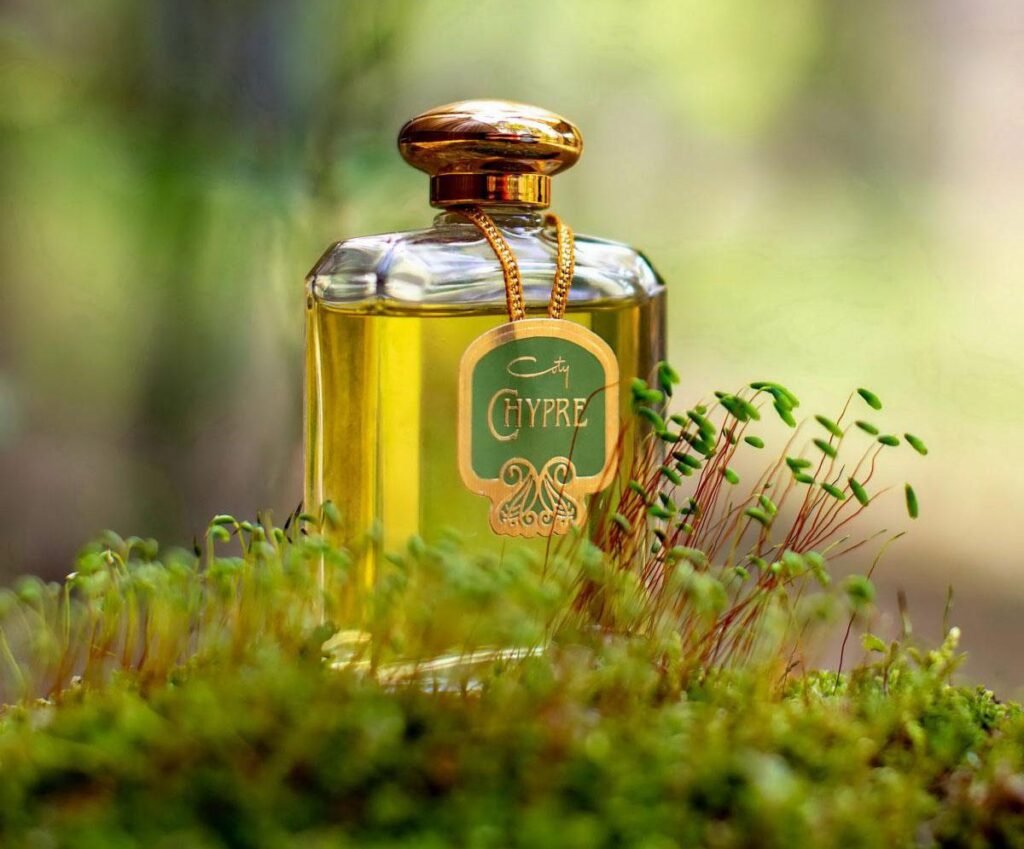
As perfume critic Luca Turin put it: “Before Chypre, perfumes had only flesh; Coty created the skeleton.” This “skeleton” is a rigorous three-part structure: a bright, light citrus top note; a heart note blending florals and resins; and a base note settling into the dark, profound depths of oakmoss and patchouli. This highly dramatic contrast between light and shadow gives the fragrance an unprecedented sense of depth and dimensionality.
—— Caron Golden Tobacco ——
· The pioneer of leathery scents, ushering in a new era of women’s perfumery ·
With the end of World War I, large numbers of women left the home and entered the workforce. A trend emerged in society featuring the “Garçonne” (tomboy) look: short hair, smoking, and driving.
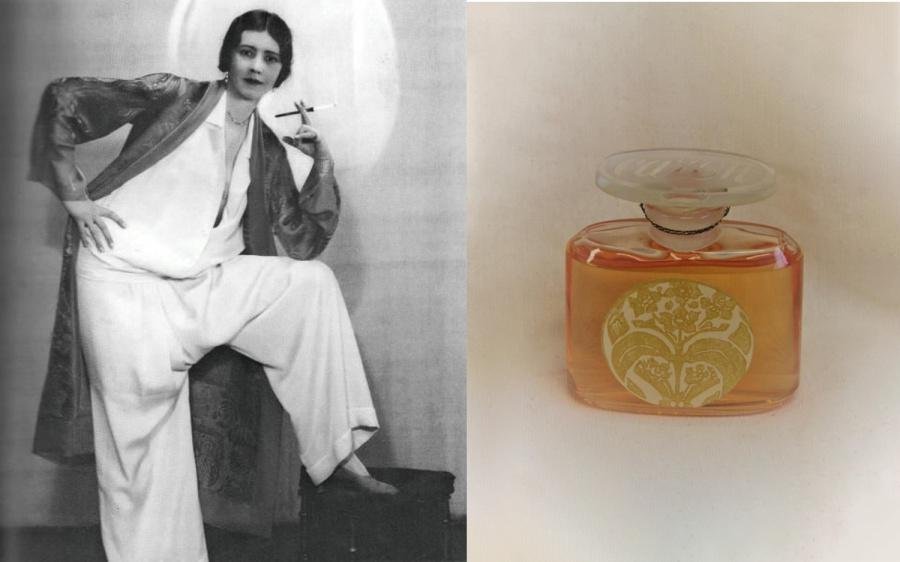
Ernest Daltroff, the visionary founder of Calan, launched Calan Golden Tobacco to capture the spirit of the times. He boldly infused floral notes with a cool, smoky leather accord—an element traditionally associated with men—and introduced it to women for the first time. From then on, perfume was no longer merely a means to please the opposite sex, but rather a symbol of women’s awakening and expression of their own power.
—— Chanel No. 5 (Collector’s Edition) ——
· The pioneer of aldehyde-floral fragrances, embodying abstract aestheticism ·
In the early 20th century, led by French haute couture designer Paul Poiret, an increasing number of fashion houses ventured into the world of perfumery.
Before Chanel No. 5, the perfume market favored single floral notes (such as rose or jasmine). But Mademoiselle Chanel had grown tired of these, and she asked perfumer Ernest Beaux to create “a perfume that smells like a woman, not a flower.”
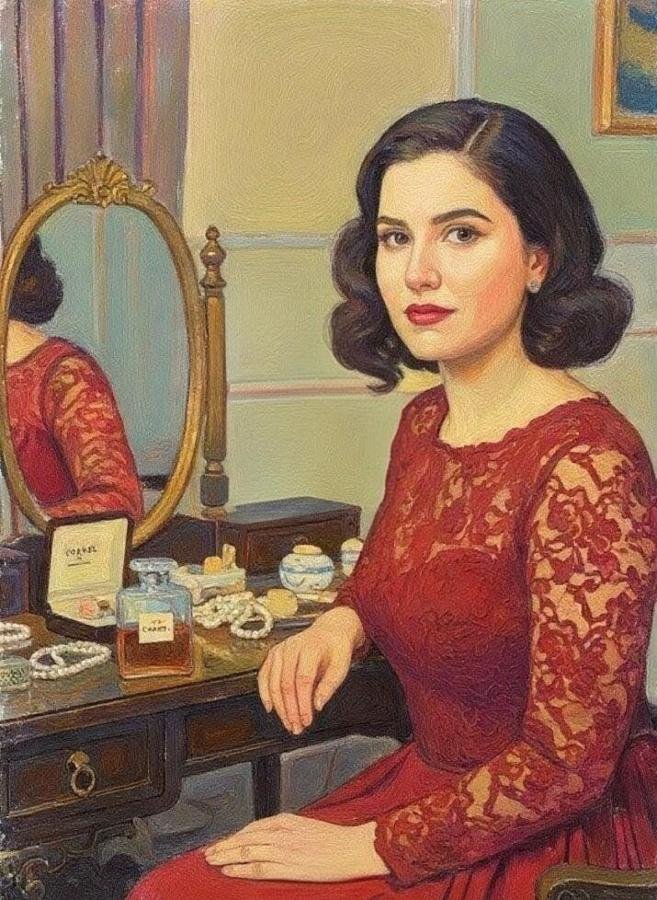
Beaux incorporated an exceptionally high concentration of aldehydes. Like a highlight, the aldehydes instantly brighten the originally subdued notes of jasmine and rose, creating an abstract, ethereal, and ice-like, pristine artificial floral scent. Its success completely transformed the mainstream aesthetic of single-flower fragrances, ushering in the era of abstract art in perfumery.
More than a century after its launch, Chanel No. 5 remains the brand’s cornerstone and can be described as an ageless legend in the fragrance industry.
—— Guerlain 1001 Nights ——
· A milestone in Oriental fragrances, an ultimate sensory feast ·
Oriental fragrances stem from Westerners’ imagination of the Eastern world. Here, “the East” refers to the Middle East and India. In their perception, these regions are abundant with precious spices, symbolizing opulence and luxury.
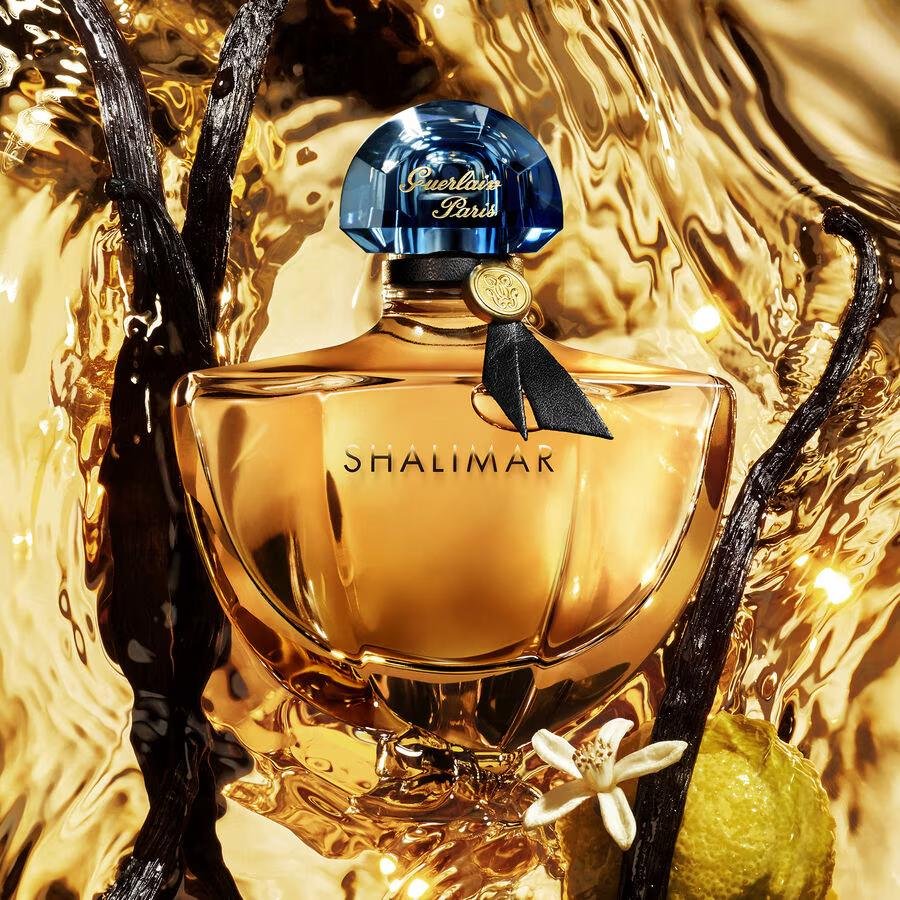
There is no consensus on which was the first oriental fragrance. However, when it comes to the most influential, Guerlain’s Les Mille et Une Nuits is undoubtedly the one. Inspired by the love legend of the Taj Mahal, it blends sweet vanilla with spicy notes, creating a luxurious, opulent scent brimming with exotic charm.
Compared to the restraint of other perfumes of its era, “Les Mille et Une Nuits” was unrestrained. The fragrance’s opulent blend of sweet, powdery, and smoky notes later became Guerlain’s signature ‘Guerlinade’ base. Nearly a century later, “Les Mille et Une Nuits” remains an unrivaled classic of the Oriental fragrance family.
—— Calan Homme (Born for Him) ——
· The pioneer of men’s fragrances, a gentleman with dual personalities ·
For a long time, men’s fragrances were limited to aftershaves and colognes, with cleanliness as the primary goal. Calan Homme was the first clearly defined men’s perfume (rather than a cologne) in history. From then on, men’s perfume became a distinct new category.
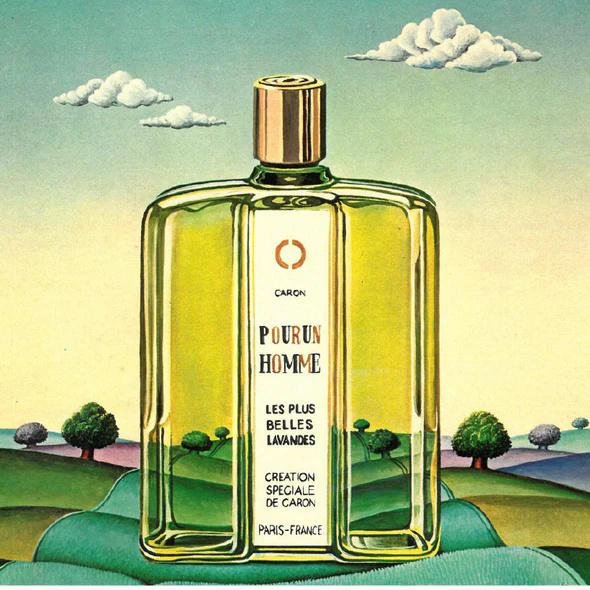
It features a minimalist yet ingenious structure built on a binary contrast: on one hand, the cool, clean scent of lavender, representing a rational, gentlemanly exterior; on the other, the warm, sweet notes of vanilla and musk, representing a sensual inner world. This structure—cool on the outside and warm on the inside—is both refreshing and long-lasting, with great depth.
—— Davidoff Cold Water for Men ——
· A new wave in aquatic fragrances, the second revolution in synthetic scents ·
In 1966, Pfizer discovered a molecule with intense marine and fruity notes—cucurbitone. In 1988, cucurbitone was first used in the fragrance “Yan Nanshi New West” for men.
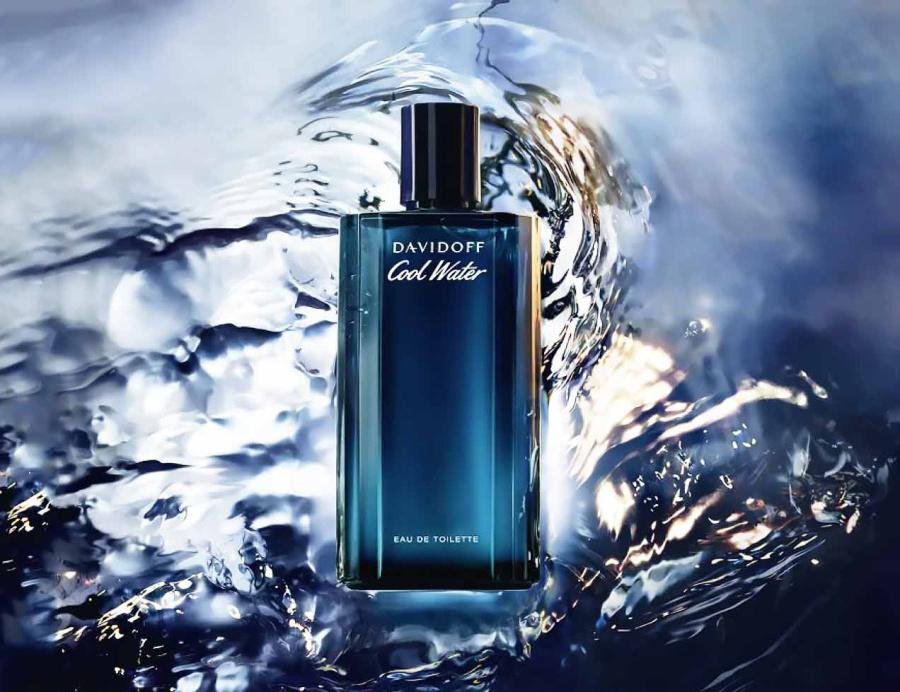
That same year, Davidoff Cold Water for Men—which also featured watermelon ketone—was launched. Its refreshing, ocean-inspired scent immediately swept through the men’s fragrance market, becoming a phenomenon. Cold Water for Men not only spurred the global popularity of aquatic notes but also defined the clean, refreshing aesthetic standards for men’s fragrances from the 1990s to the present day.
—— Thierry Mugler Angel Eau de Parfum ——
· The pioneer of gourmand fragrances, bridging the senses of smell and taste ·
In the 1990s, when minimalism reigned supreme, Thierry Mugler went against the grain. He wanted to create a scent that made you “want to eat it.” The perfumer used an unprecedented high concentration of ethyl maltol (a caramel-scented molecule) and blended it with notes of chocolate, marshmallow, and patchouli. This combination—sweet to the extreme yet with a hint of earthiness—is incredibly bold.
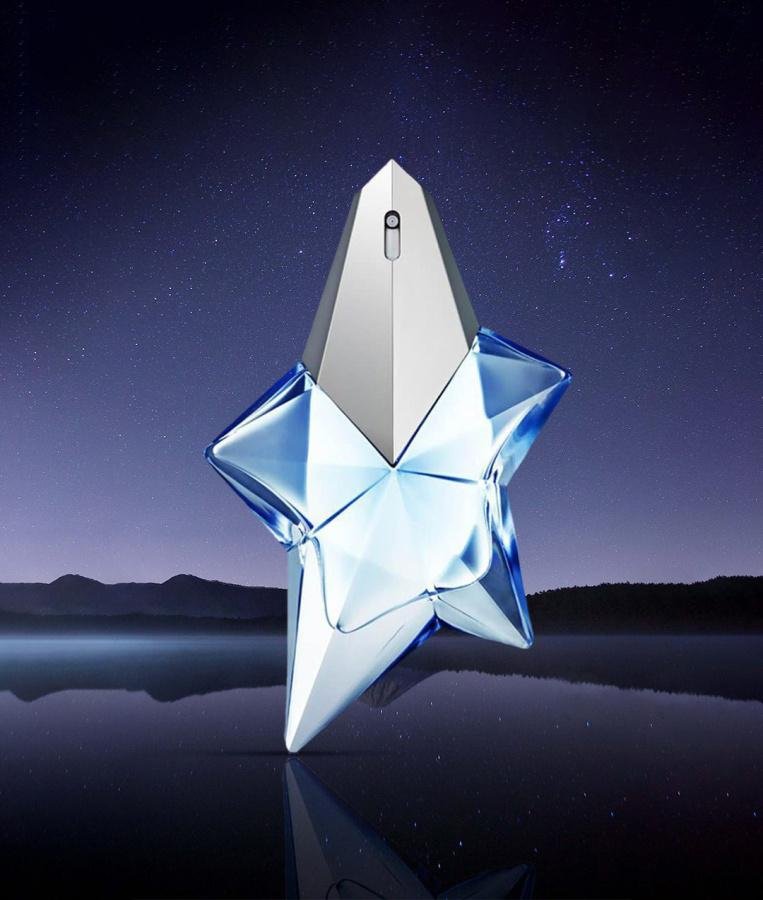
Mugler’s Angel Eau de Parfum pioneered an entirely new gourmand fragrance profile. However, it was highly controversial upon its initial release and didn’t become a massive hit until the late 1990s, coinciding with the economic recovery. It proved to the world that in the world of perfumery, mediocrity is the ultimate sin, while extreme individuality will ultimately be enshrined as a legend.
—— Kevin Kley: The One and Only ——
· The pioneer of unisex fragrances, breaking down gender barriers ·
In the 1990s, globalization accelerated. People were committed to breaking down gender and racial prejudices and promoting equality.
Calvin Klein keenly sensed this shift and launched CK ONE. With its minimalist frosted bottle, fresh citrus-green tea scent, and the tagline “For Everyone,” the fragrance completely erased gender labels.
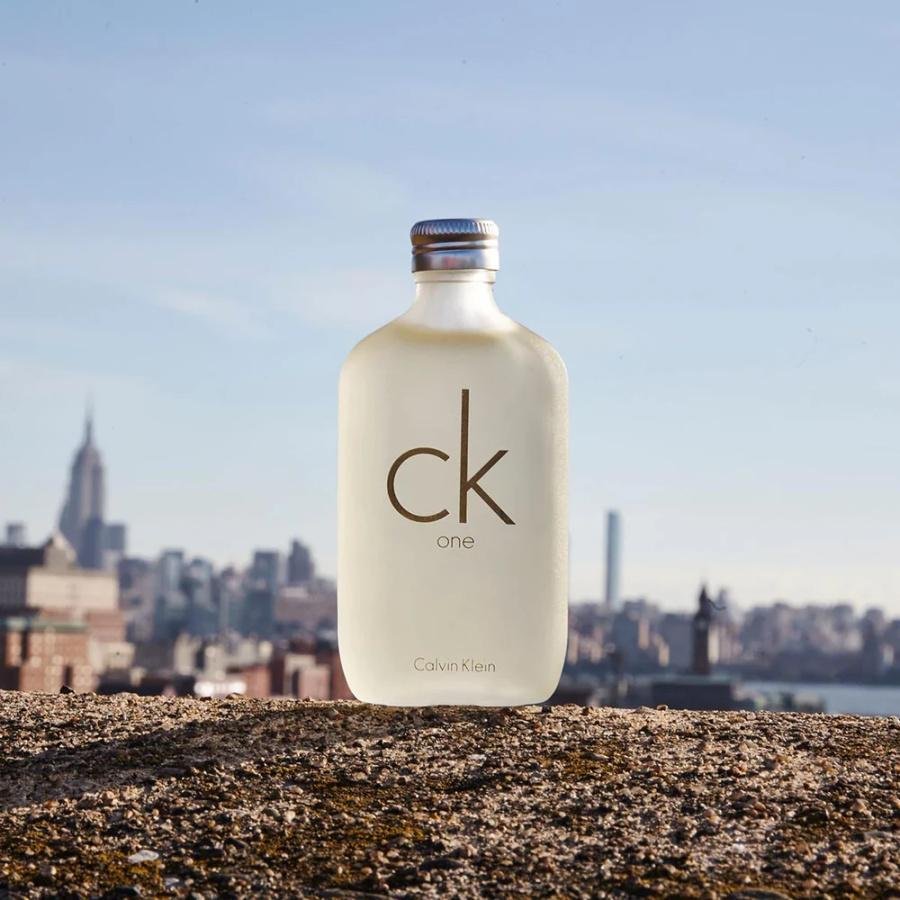
It was not only the first truly unisex fragrance in history, but also a cultural icon symbolizing the spirit of openness, inclusivity, and rebellion of that era.
Looking back over the past century, every revolution in perfumery has been the result of the convergence of economic, technological, and social trends. From the birth of synthetic fragrances to the awakening of gender consciousness, scent has always served as a chronicler of the times.
Looking at today’s commercial perfume market, which is becoming increasingly homogenized and lacking in adventurous spirit, we can’t help but yearn for those moments of greatness born of defiance.
The next golden age of perfume may already be in the making.