Address
304 North Cardinal
St. Dorchester Center, MA 02124
Work Hours
Monday to Friday: 7AM - 7PM
Weekend: 10AM - 5PM
Address
304 North Cardinal
St. Dorchester Center, MA 02124
Work Hours
Monday to Friday: 7AM - 7PM
Weekend: 10AM - 5PM
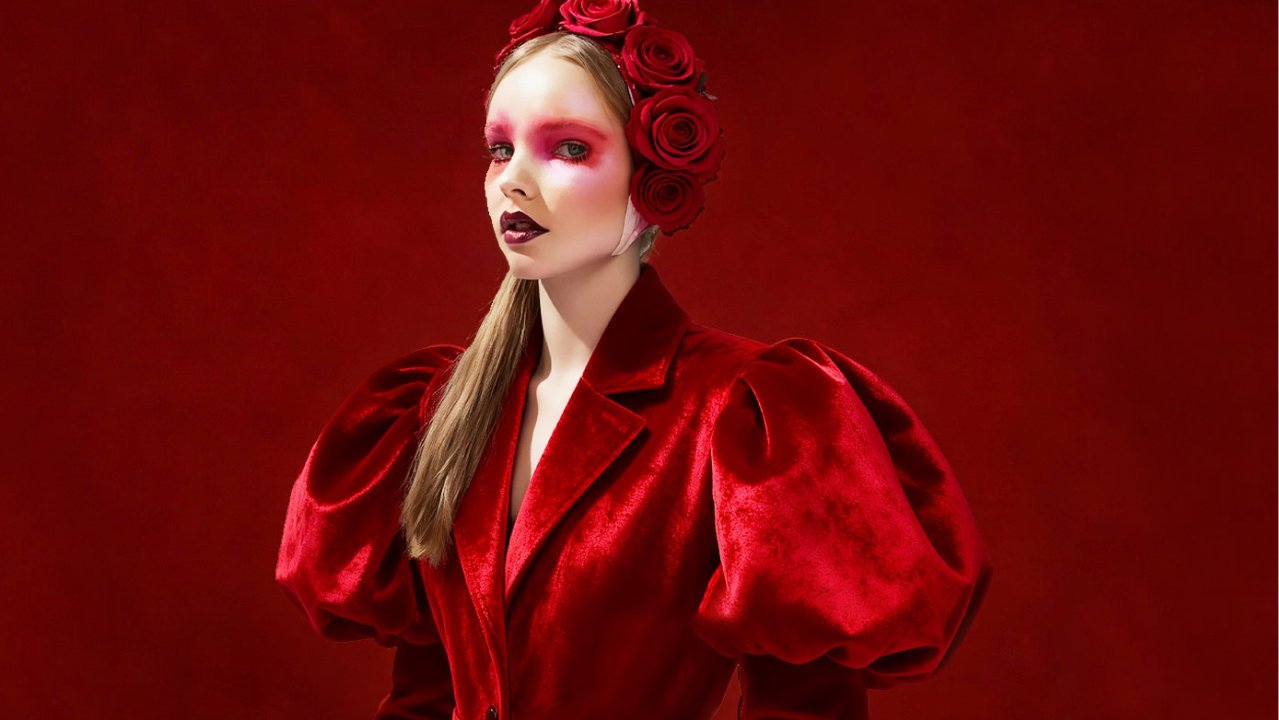
When it comes to perfume, the vast majority of people’s first thought is rose perfume. This is no coincidence.
Rose is one of the very few scents capable of spanning floral, woody, chypre and even oriental fragrance families.
It is a botanical marvel, a driving force behind innovation in perfumery, and the ultimate challenge that countless perfumers strive to master.
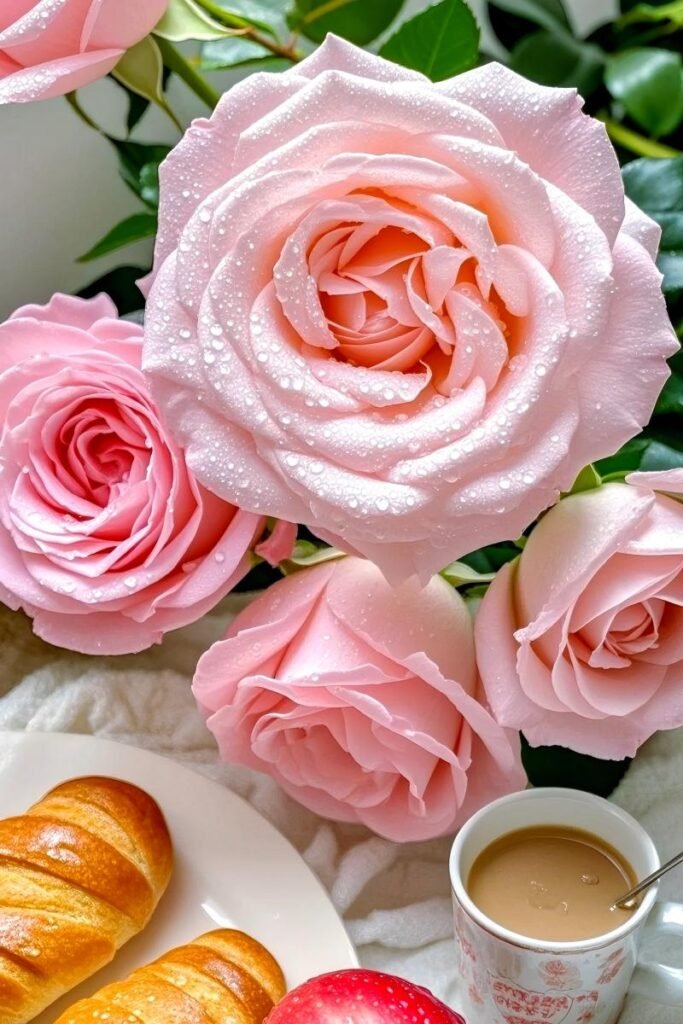
Join Zoe today as we delve into the ‘story of the rose’ through the lens of perfume, and discover how the rose has shaped the history of human olfaction.
—— 01 ——
Historical Origins: The Fragrance of Divinity and Power
The rose has been on Earth for far longer than humankind. Fossil evidence suggests that roses were already blooming on Earth as far back as the Oligocene epoch, 35 million years ago. However, it was only several thousand years ago that the rose truly became part of human civilisation.
· Ancient Egypt: The Breath of the Gods ·
In the beliefs of the ancient Egyptians, fragrance served as a conduit to the divine realm. Although extraction techniques were still rudimentary at that time, they had already learnt to utilise oils to capture floral scents. A popular ointment known as bakkaris, made from roses and irises, was believed to ward off evil spirits and purify the environment.
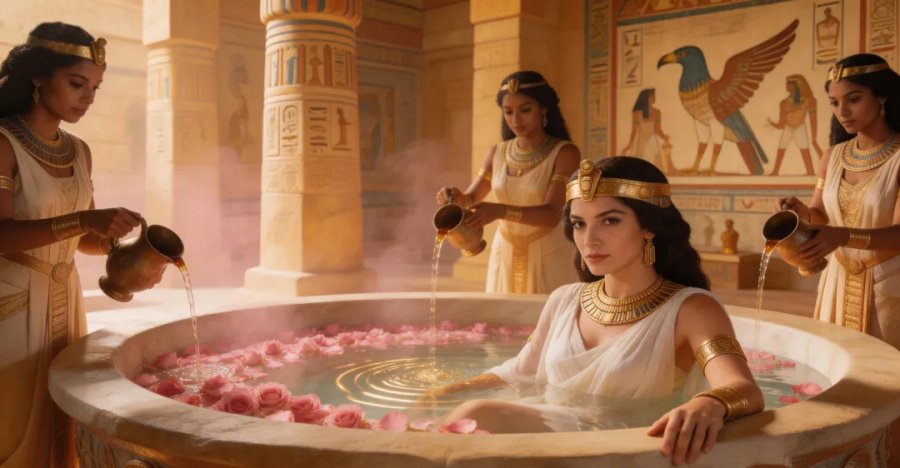
Legend has it that Cleopatra, the Queen of Egypt, was also deeply fond of roses; it is said that she bathed in rose petals for many years in the hope of preserving her eternal youth. For her, the rose also symbolised an extension of divine authority.
· Ancient Rome: The Empire’s Passion ·
By the time of Ancient Rome, the love of roses had evolved into a near-frenetic ‘rose hedonism’.
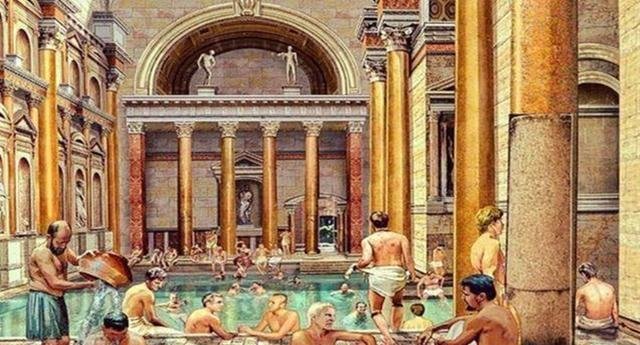
The Roman aristocracy not only adorned their banquet halls with roses, but also sprayed rose water over the fountains in the squares and the walls of the baths. Emperor Nero would even have rose petals rained down from the ceiling via a secret mechanism during his banquets. In those days, the scent of roses wafting through the air was synonymous with class and luxury.
—— 02 ——
Technological Evolution: The History of Fragrance Extraction
Roses are delicate. Once plucked from the branch, their scent quickly fades. For thousands of years, humankind has been playing a game against time in an effort to capture this fragrance.
· The Era of Fat Extraction: Trapping Fragrance in Oils ·
Before the advent of chemistry, the ancient Egyptians and Romans discovered that oils were the finest carriers of scent.
Early rose fragrances were not the clear liquids we know today, but rather thick, heavy pastes. People employed a process known as maceration, soaking large quantities of rose petals in heated oils (such as olive oil or animal fats). Once the petals had withered and their scent had been transferred, they would replace them with a fresh batch of petals, repeating the cycle endlessly.
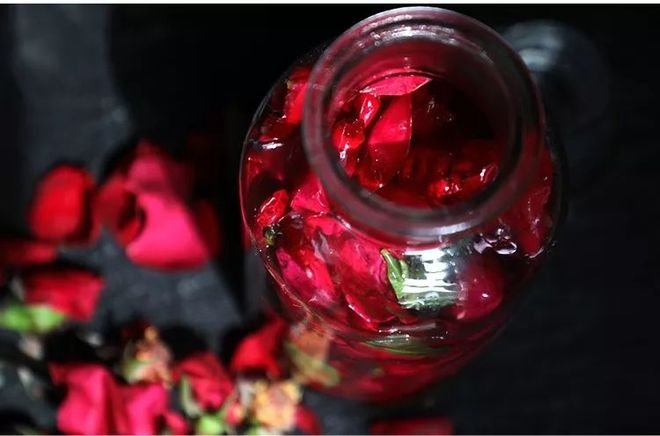
The rose ointment produced by this technique had a strong oily and fermented quality; it was heavy and murky, resembling more a medicinal ointment than a perfume in the modern sense.
· The Revolution in Distillation: The Birth of Rose Essential Oil ·
The true turning point came in the 11th century. The Persian physician Avicenna improved the condenser and perfected the method of steam distillation.
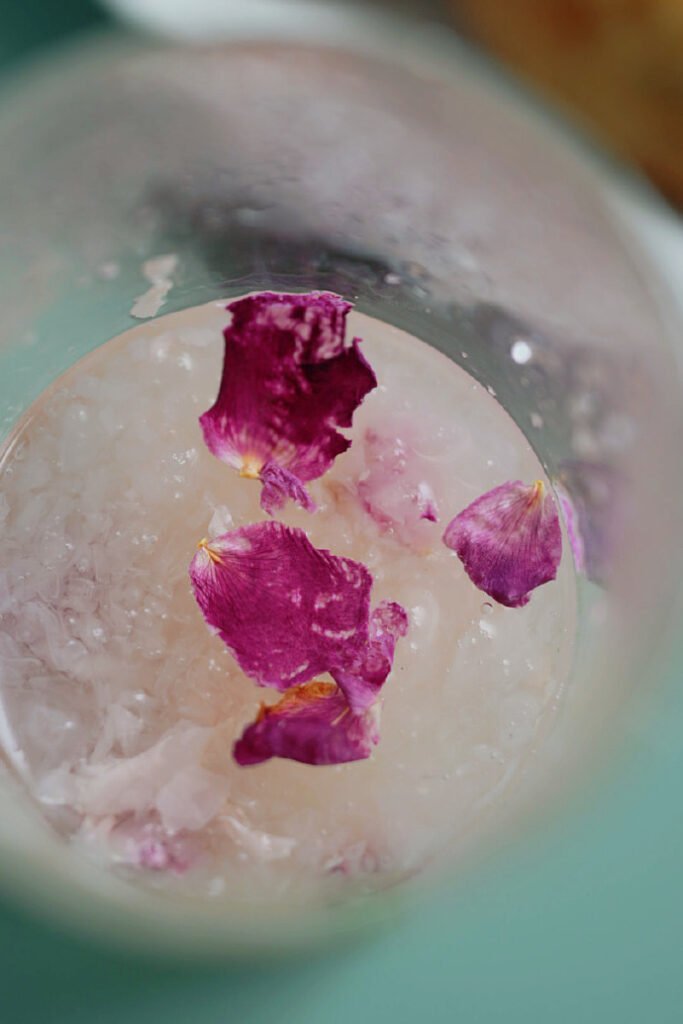
He placed rose petals in a still, using high-temperature steam to extract the aromatic molecules, which were then cooled and separated. This not only produced the first bottle of rose essential oil (Rose Otto / Attar), but also yielded a by-product—rose hydrosol. This marked the first time humanity had extracted the invisible soul of a plant from its physical form.
However, this method is not without its flaws. As high temperatures destroy the heat-sensitive components of the rose, the resulting rose essential oil often has a sharper, more pungent aroma than the fresh flower, lacking that moist, sweet quality. Whilst distillation captures the essence, it loses the substance of the rose.
· Solvent Extraction: A More Authentic Rose Absolute ·
By the 19th century, with the advent of the Industrial Revolution, ‘volatile solvent extraction’ was born. Using organic solvents such as hexane to wash rose petals at low temperatures, a waxy ‘concentrate’ is first obtained, which is then extracted with alcohol to produce ‘rose absolute’.
This marked one of the most significant turning points in the perfume industry. To this day, high-end perfumes continue to blend ‘rose essential oil’ and ‘rose absolute’ according to specific requirements.
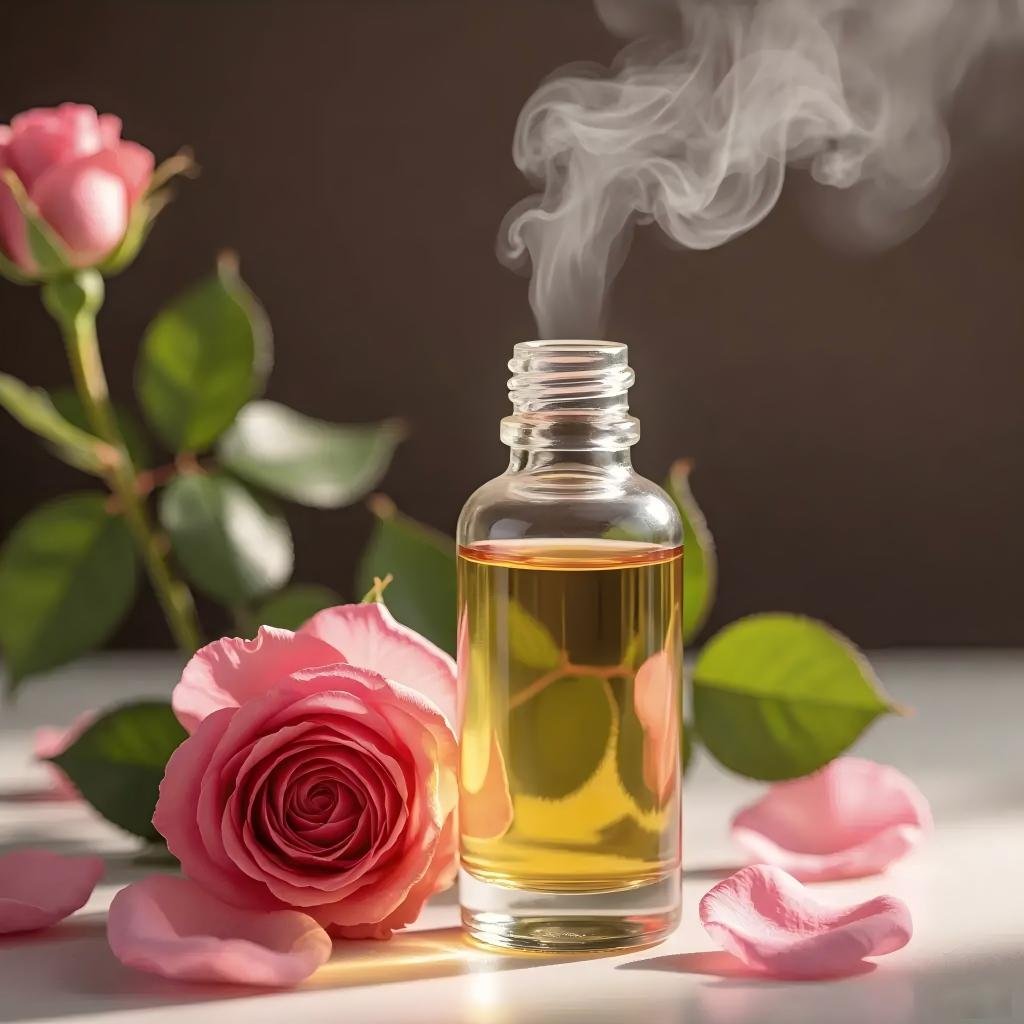
As solvent extraction preserves a large number of aromatic compounds that are destroyed by distillation, rose absolute has a scent that is remarkably close to that of a real fresh rose. It possesses distinct notes of honey and a waxy texture, with even a hint of earthy sweetness; the fragrance is rich and profound.
· Cutting-edge technology: Supercritical CO₂ and headspace technology ·
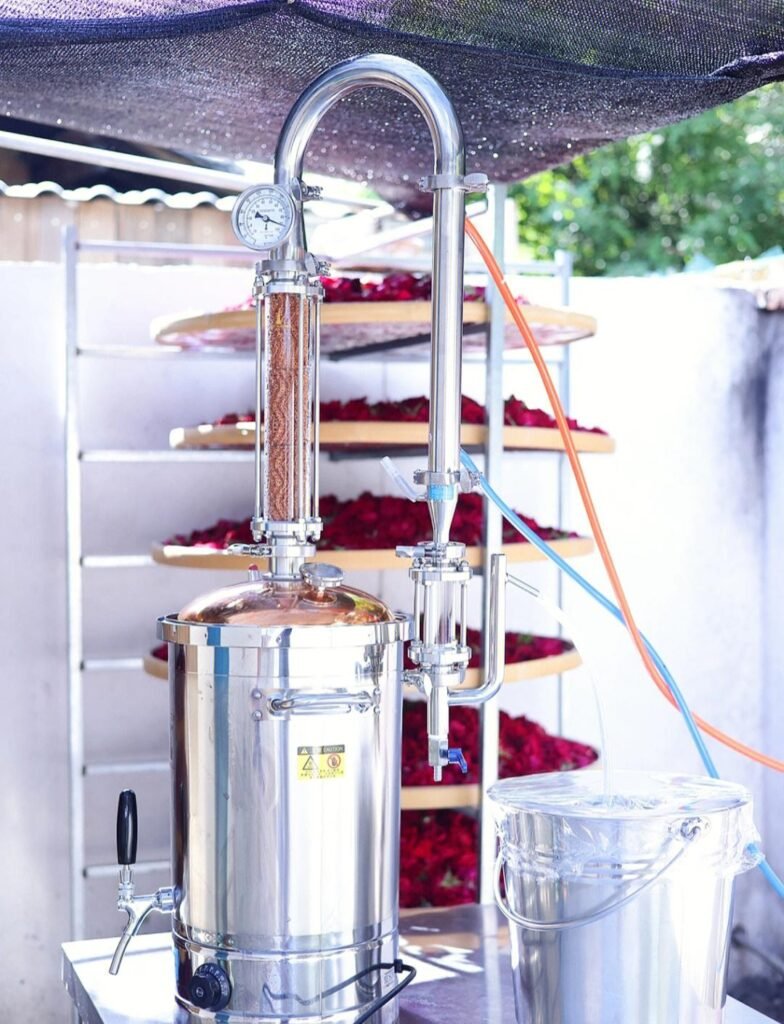
In pursuit of the ultimate ‘authenticity’, the modern perfume industry has introduced supercritical CO₂ extraction technology.
This method utilises liquid carbon dioxide under high pressure as a solvent to carry out extraction at room temperature. This maximally protects heat-sensitive components, resulting in an exceptionally pure rose fragrance with virtually no solvent residue; beyond the floral notes, one can even detect the scent of green leaves and twigs.
The emergence of ‘Headspace’ technology, however, borders on science fiction. Perfumers no longer need to pick the flowers; they simply place a glass dome over a living rose, analyse the molecular structure of the air it emits, and then recreate it using chemical ingredients in a 1:1 ratio.
This means we are no longer constrained by origin or flowering season; even endangered rose varieties, or the unique scents that bloom only at two o’clock in the morning, can be precisely replicated through technology.
· Synthetic Fragrances: Breaking the Boundaries of Nature ·
Natural rose essential oil is extremely expensive; it takes approximately 3–5 tonnes of petals to extract just 1 kilogram of oil. If we relied solely on natural ingredients, perfume would forever remain the exclusive privilege of royalty.
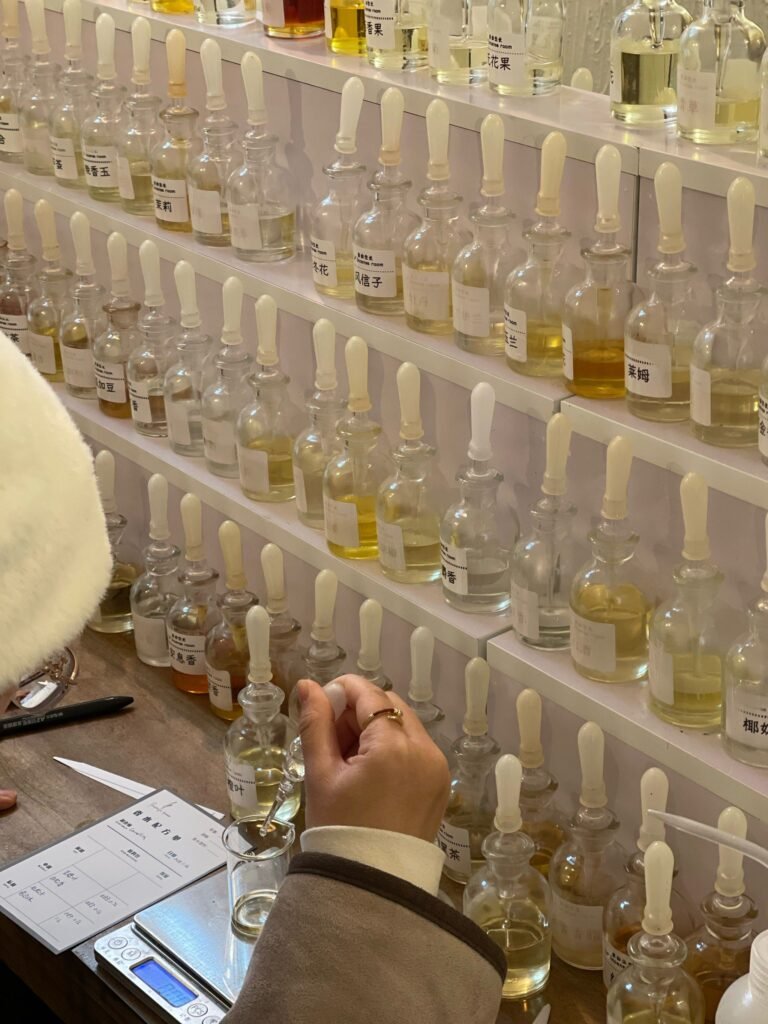
Fortunately, the invention of synthetic fragrances has put an end to this exclusivity. Scientists can now break down the scent of roses into its constituent molecules and reassemble them like building blocks. This has not only brought down the cost but also enabled perfumers to create artistic roses that do not exist in nature—such as the cool, metallic rose or the dark, ink-like rose.
With every technological advance, we come one step closer to that perfect rose.
—— 03 ——
Rose Varieties: A Dual Reign in the World of Perfume
From a botanical perspective, there are thousands upon thousands of rose varieties, but only two are used in perfumery: the Damask rose and the thousand-petalled rose. If the Damask rose is a rich red wine, then the thousand-petalled rose is a crisp, clear champagne.
· Damask Rose: The Opulent Queen of the Orient ·
The Damask rose originates from the ancient Syrian city of Damascus and is now primarily cultivated in Bulgaria, Turkey, Morocco and Egypt. It is the classic rose scent you encounter in everyday life. The terms ‘Bulgarian rose’ and ‘Turkish rose’, commonly found in fragrance notes, strictly speaking, both refer to the Damask rose.
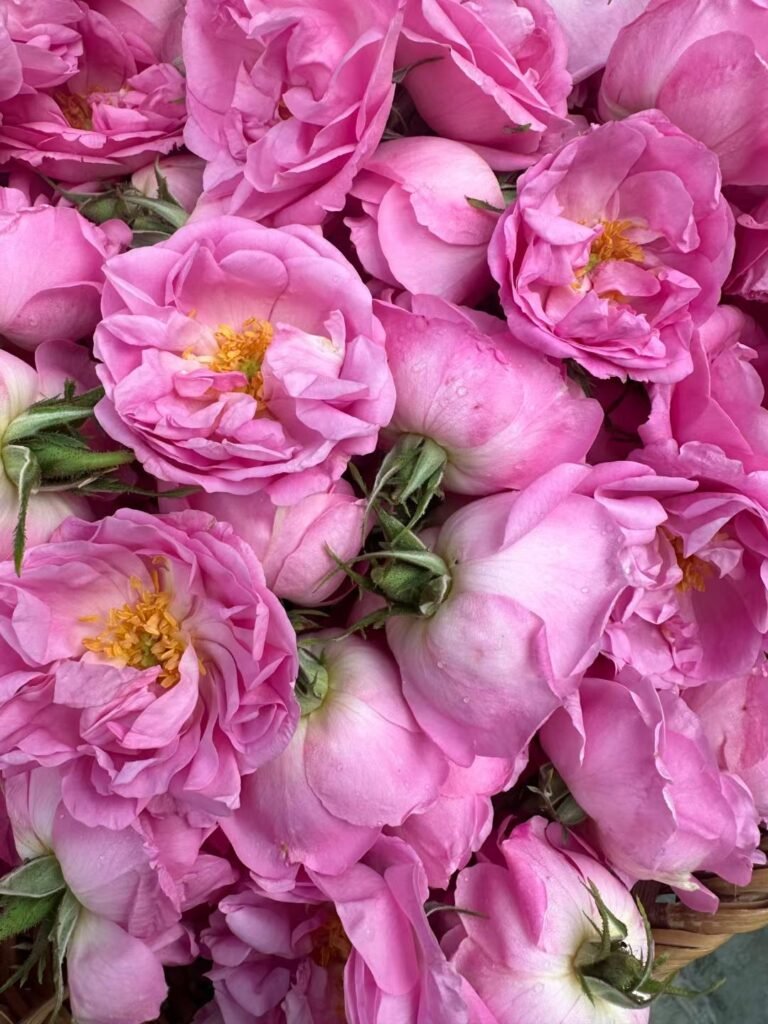
Its scent is intensely bold and dramatic. High-quality Damask rose essential oil possesses a complex bouquet: an initial wave of sweetness, followed by the tart-sweet notes of lychee and berries, with a base note featuring a hint of clove’s spiciness and the fermented character of red wine. Opulent, profound, and utterly commanding.
Within this family, there is also a mysterious variant—the Tayyib rose. Growing on the high plateaus of Saudi Arabia, the extreme temperature fluctuations endow it with a unique tea-like aroma and powdery quality. It commands a high price and is often monopolised by Middle Eastern royalty.
· Thousand-Petalled Rose: The Elegant French Socialite
Compared to the bold, dramatic character of the Damask rose, the Thousand-Petalled Rose, which grows in Grasse, France, is more like an elegant French socialite. As it blooms for just three short weeks in May, it is also known as the ‘May Rose’.
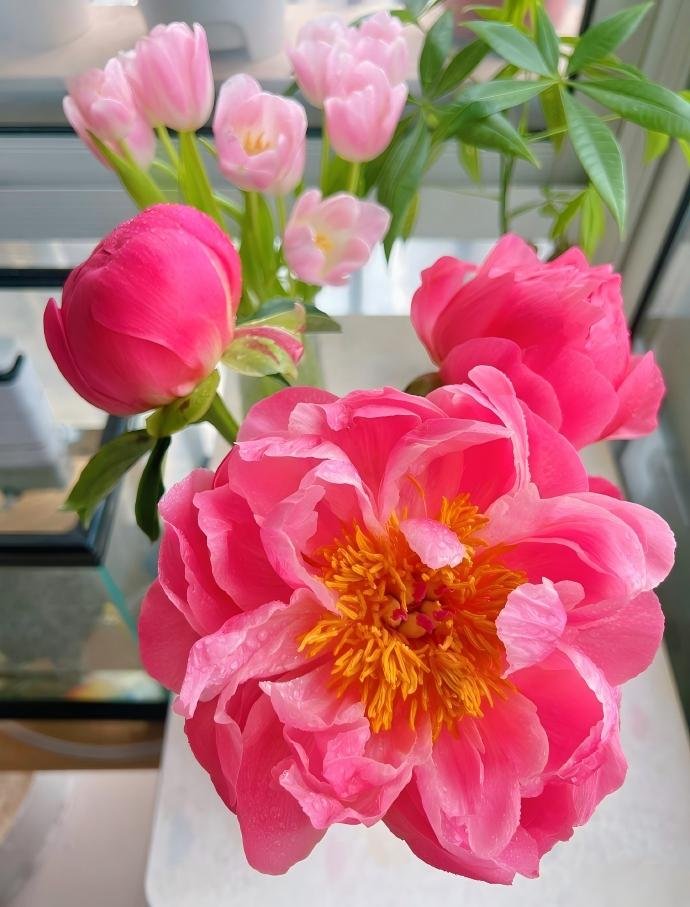
It lacks the assertive, spicy character of Damask rose; instead, it offers a clear, fresh scent of morning dew-kissed roses, with fruity and green notes, making it exceptionally light and airy.
As the oil yield of the Chiba rose is extremely low (only half that of the Damask rose), and it cannot be extracted through distillation (high temperatures would destroy its fresh character), rose absolute can only be obtained through the costly solvent extraction method. Consequently, it has become almost the exclusive preserve of luxury perfumes; for instance, Chanel No. 5 EDP utilises the Chiba rose.
—— 04 ——
Top-rated rose perfumes
Based on the different styles of rose scents and real user ratings from the Perfume Era app, we have compiled the following nine rose perfumes that are well worth recommending:
【Frederic Malle Rose Tonnerre (Une Rose)】
—— Infused with an exceptionally high concentration of rose essential oil, this red wine rose exudes luxury and elegance
【Diptyque Rose Eau de Toilette】
—— A dewy lychee rose, evoking a gentle and radiant heiress
【Serge Lutens La Fille de Berlin】
—— A tart, metallic rose with a distinctive gothic edge
【Byredo Rose No Man’s Land】
—— A highly distinctive ‘disinfectant’ rose, cold, sweet and alluring
【Penhaligon’s The Coveted Duchess Rose】
— A delightful fruity-woody rose fragrance, alluring and captivating, universally admired
【Guerlain Rose Barbare】
— A honeyed rose with deep, medicinal undertones; a captivatingly alluring fragrance
【Jo Malone Red Roses】
—— A bouquet of real red roses, simple yet authentic
【L’Artisan Parfumeur Voleur de Roses】
— The original patchouli-rose fragrance: a unisex, rebellious rose with herbal undertones
【Giorgio Armani Armani Prive Oud Royal】
— A highly acclaimed agarwood-rose fragrance: commanding yet elegant, suitable for men too
From ancient times to the present day, humanity’s love for roses has never waned. When we press the spray of a rose perfume today, what we smell is not merely the scent of flowers, but the exploration of beauty undertaken by human civilisation over thousands of years.