Address
304 North Cardinal
St. Dorchester Center, MA 02124
Work Hours
Monday to Friday: 7AM - 7PM
Weekend: 10AM - 5PM
Address
304 North Cardinal
St. Dorchester Center, MA 02124
Work Hours
Monday to Friday: 7AM - 7PM
Weekend: 10AM - 5PM
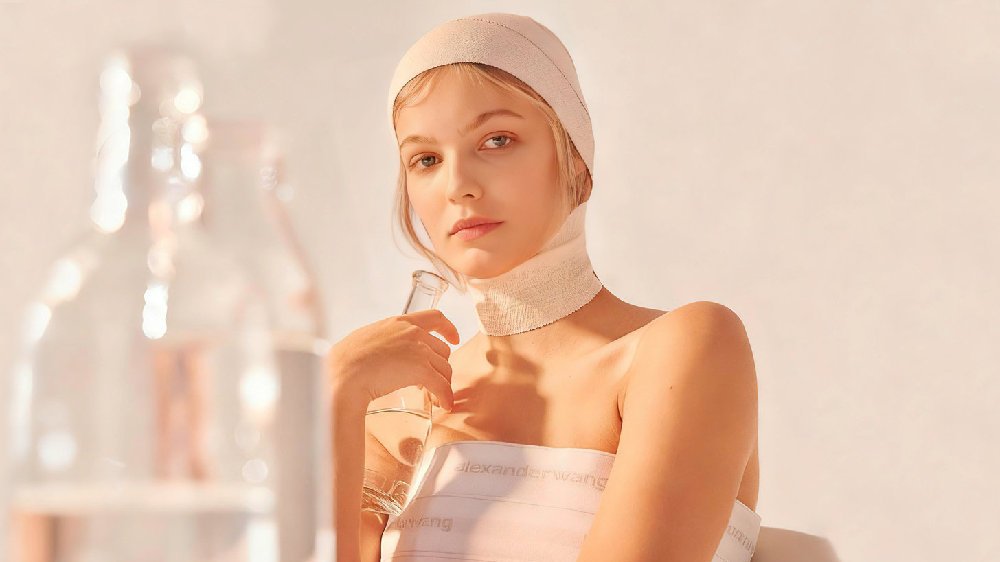
How is a bottle of perfume created?
What steps are involved in turning an idea into a finished bottle of perfume?
Today, Xiao Xiang will take you through the entire perfume-making process, using a standard commercial fragrance as an example.
The perfume-making process is both rigorous and meticulous, and can broadly be divided into two main stages: research and development, and production.
[ Research and Development Stage ]
The development of a perfume typically requires a significant investment of time and money.
— 01 Conceptualisation —
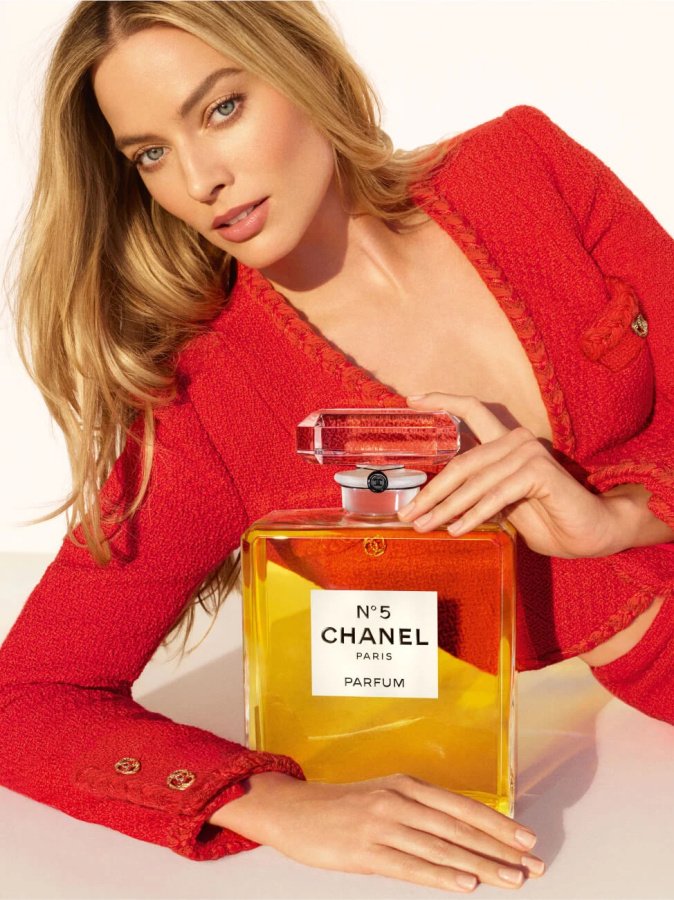
Most perfumes begin with an abstract idea; for example, Chanel No. 5 originated from a remark by Mademoiselle Chanel: ‘I want a perfume that smells like a woman.’
This is followed by extensive research and analysis, which is then summarised into a product brief—the blueprint that guides subsequent development. This brief outlines the fragrance’s design concept, concentration, style, target market, product budget, and the regulatory requirements of the countries where it will be sold.
With the exception of brands such as Hermès, Chanel and Dior, most commercial brands do not have their own fragrance development teams. They send this brief to specialist fragrance houses, commissioning them to develop the fragrance.
— 02 Formulation Development —
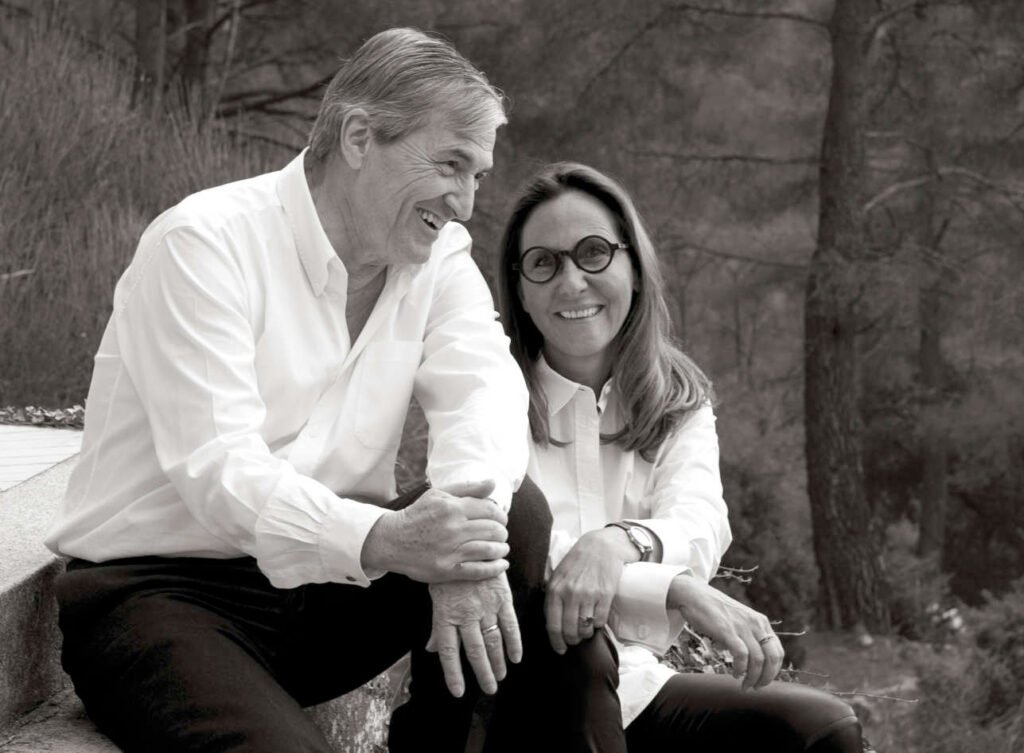
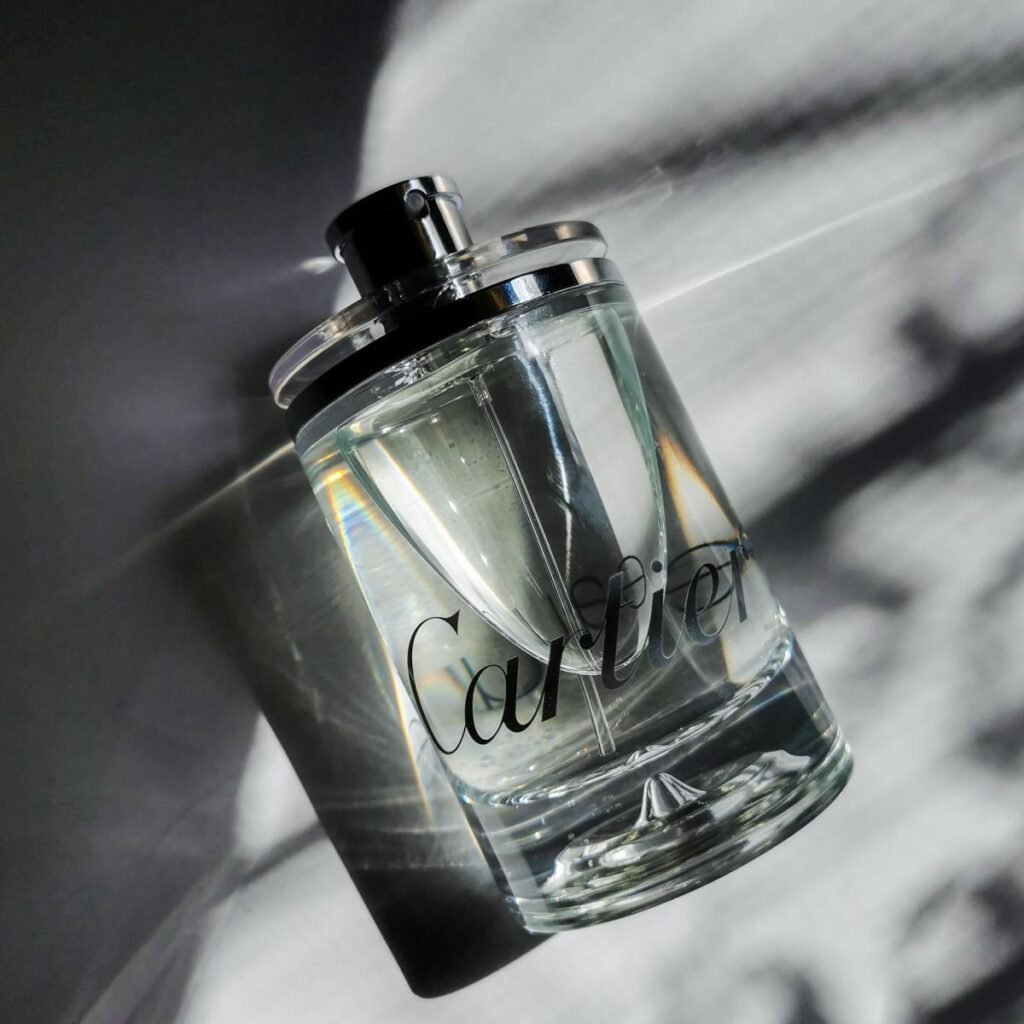
Once the fragrance house has taken on the project, it will assign a perfumer to create the scent. For major projects, several perfumers may be invited to compete in a pitch. For example, Hermès’ two former chief perfumers—Jean-Claude Ellena and Christine Nagel—once both participated in the competition to create the fragrance ‘Eau de Cartier’.
Perfumers must have a thorough understanding of the product brief and select suitable fragrances for their creations whilst taking into account budget constraints and legal regulations. Typically, they begin by creating samples, which are then continuously refined based on brand feedback and market testing. This process can take one to two years before the final formulation is confirmed.
— 03 Safety Testing —
Before formal production commences, the final formulation must undergo a series of safety tests, including assessments of the stability of each ingredient and checks for pesticide residues or allergens. Additionally, the fragrance’s stability under varying temperatures, humidity levels and light conditions must be tested.
【 Production Stage 】
Once research and development is complete, the perfume can officially enter mass production.
— 04 Blending the Fragrance Concentrate —
The first step is to blend the fragrance concentrate. Depending on the scale of production, the factory will precisely weigh out the various fragrance ingredients according to the formula, then mix them in large containers to ensure they are fully blended.
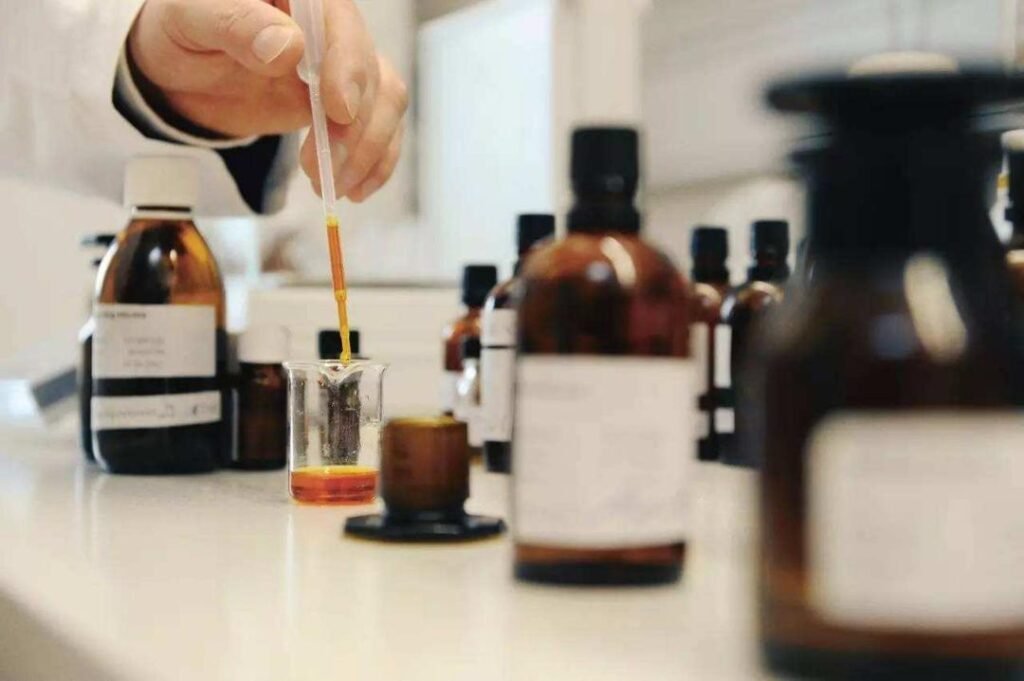
Once the fragrance concentrate has been blended, it must be left to mature (rest) for several weeks at a temperature below 13°C to allow the scent to reach a balanced and stable state.
— 05 Dilution —
A specific proportion of alcohol (90% purity or higher) is added to the matured fragrance concentrate; the resulting diluted liquid forms the basis of the perfume.
Subsequently, colourants and stabilisers are added to prevent the perfume from discolouring or deteriorating. Finally, distilled water is added to adjust the overall concentration.
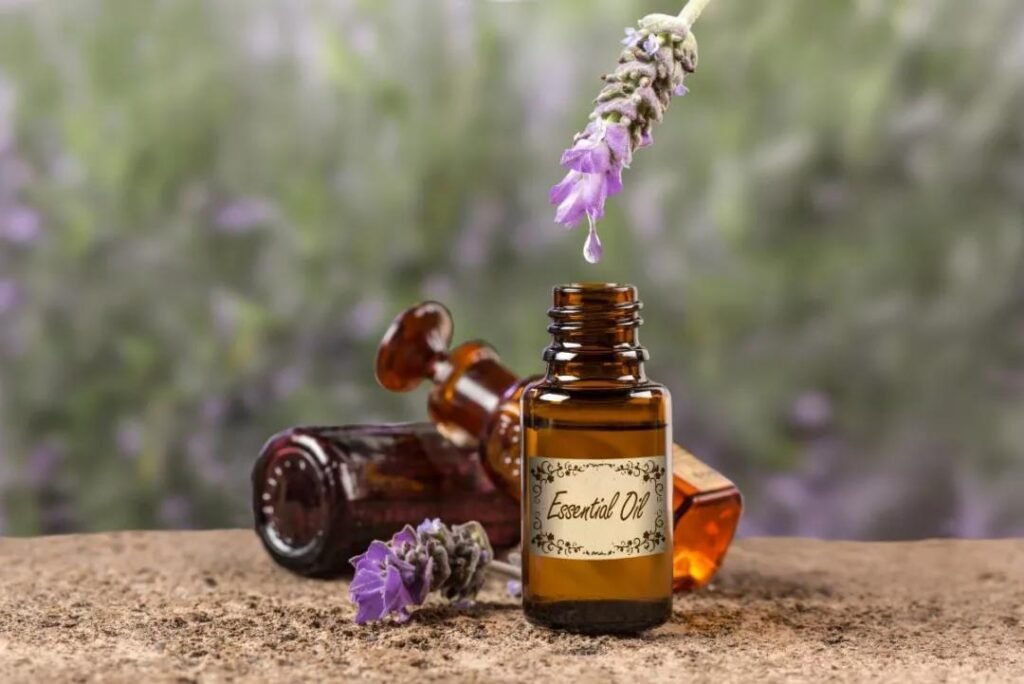
It is important to note that the alcohol content must not fall below 70 per cent; otherwise, the essential oils will not dissolve, causing the perfume to become cloudy and the oil and water to separate.
— 06 Secondary Maturation —
The blended liquid is not bottled immediately, but is left to rest for several weeks or even months in a temperature-controlled, light-protected container to undergo secondary maturation.
During this period, the various chemical components fully blend and react. The pungent odour of the alcohol in the perfume gradually dissipates, and the fragrance becomes soft and rounded.
— 07 Settling —
By allowing the mixture to stand, the undissolved waxy components in the liquid form small lumps, making them easier to filter out.
— 08 Cooling and Filtration —
The perfume is cooled to below 5°C, and then passed through an ultra-fine filter to remove all minute impurities.
The quality control team then inspects the fragrance, colour and clarity of the liquid. Once all criteria have been met, the product is ready for filling via automated machinery.
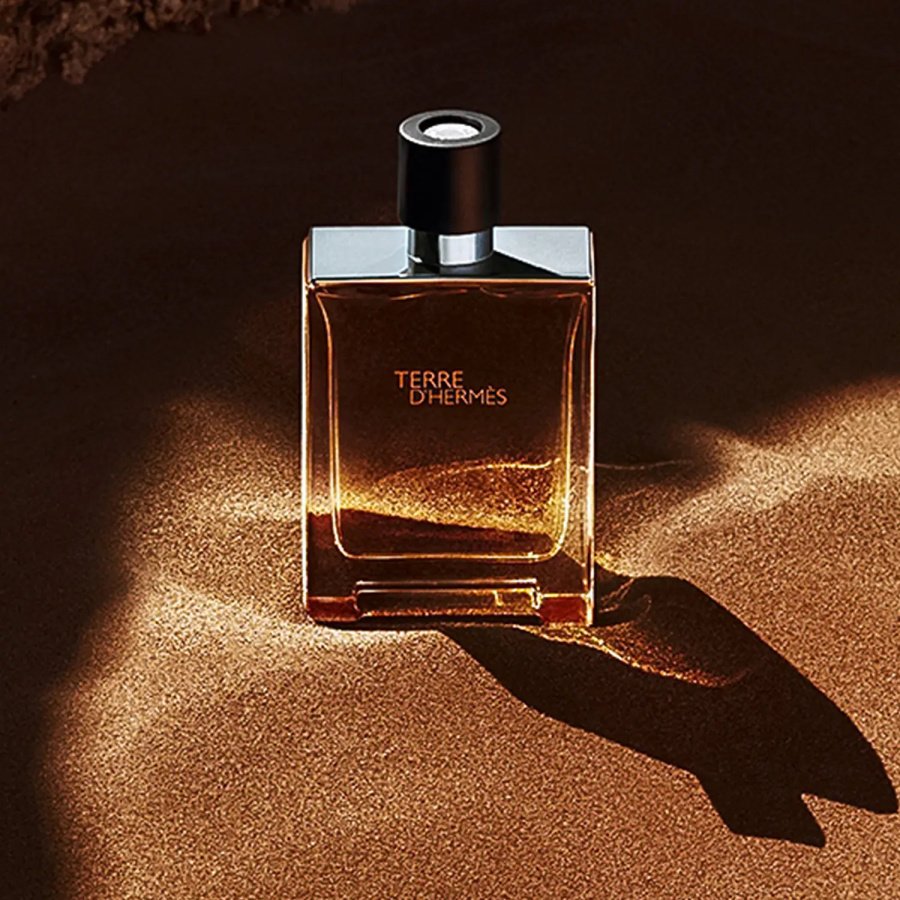
Finally, after being elegantly packaged, the perfume production process is complete. It is then ready to be shipped worldwide to reach consumers.
———— · ————
The creation of a bottle of perfume is a perfect fusion of artistic inspiration and scientific craftsmanship. It is not merely an ordinary industrial product; rather, it carries with it heartfelt emotions and memories.
Perhaps that is what makes perfume so captivating.