Address
304 North Cardinal
St. Dorchester Center, MA 02124
Work Hours
Monday to Friday: 7AM - 7PM
Weekend: 10AM - 5PM
Address
304 North Cardinal
St. Dorchester Center, MA 02124
Work Hours
Monday to Friday: 7AM - 7PM
Weekend: 10AM - 5PM
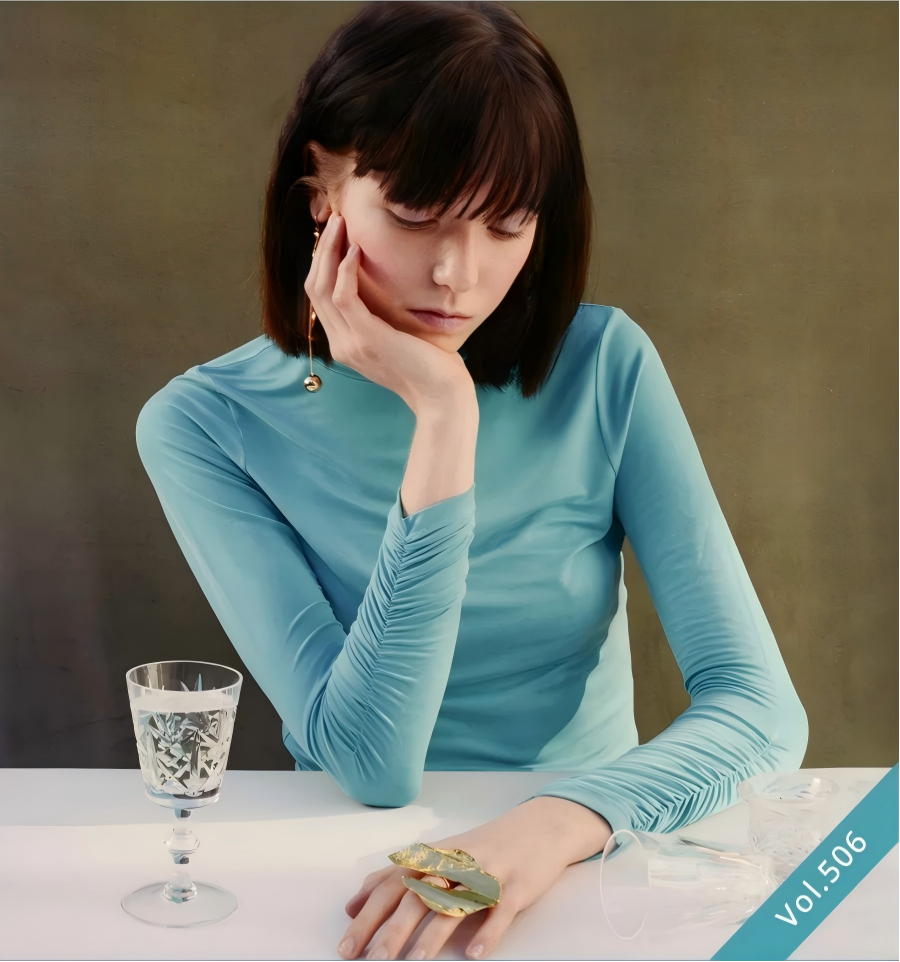
In romantic dramas, when the female lead heads out on a date, she’ll take a bottle of perfume, spray it into the air, then turn gracefully on the spot, waiting for the scent to settle on her. This makes me wonder: in real life, how many people would… be so wasteful? In today’s episode, let’s talk about how to apply perfume.

As far back as the Egyptian era, people were already rubbing essential oils all over their bodies to keep themselves fragrant. The ancient Romans built numerous bathhouses, and they enjoyed applying essential oils and balms after bathing. After the Middle Ages, the use of perfume became even more widespread; the emergence of scented sachets, perfumed soaps and scented gloves demonstrated people’s ingenuity in the realm of fragrance. So, how should we apply perfume today?
O Preparation: Moisturising helps the fragrance last longer (optional)
Applying perfume can also be a ritualistic experience.
Before applying perfume, take a relaxing hot bath. Within the ‘golden three minutes’ before the moisture evaporates from your skin, apply an unscented moisturiser or body lotion to keep your skin soft and supple. This is particularly important for those with dry skin. Moisturised skin allows the perfume to blend better with your natural oils, thereby prolonging its longevity.

If you don’t have time to have a shower, you can also apply some moisturiser to the areas where you’ve sprayed perfume; this will help the scent last longer.
I. How should you apply perfume?
There are two main methods of applying perfume: dabbing and spraying.
① Dabbing method: Dip your finger into the perfume and apply a small amount to your skin, then gently rub it in with your finger to ensure the perfume is fully absorbed.
② Spraying method: The invention of the spray nozzle has made applying perfume much simpler, whilst also allowing for better control over the amount used. Simply press the nozzle lightly; this prevents the issue of applying too much perfume that can occur when dabbing.
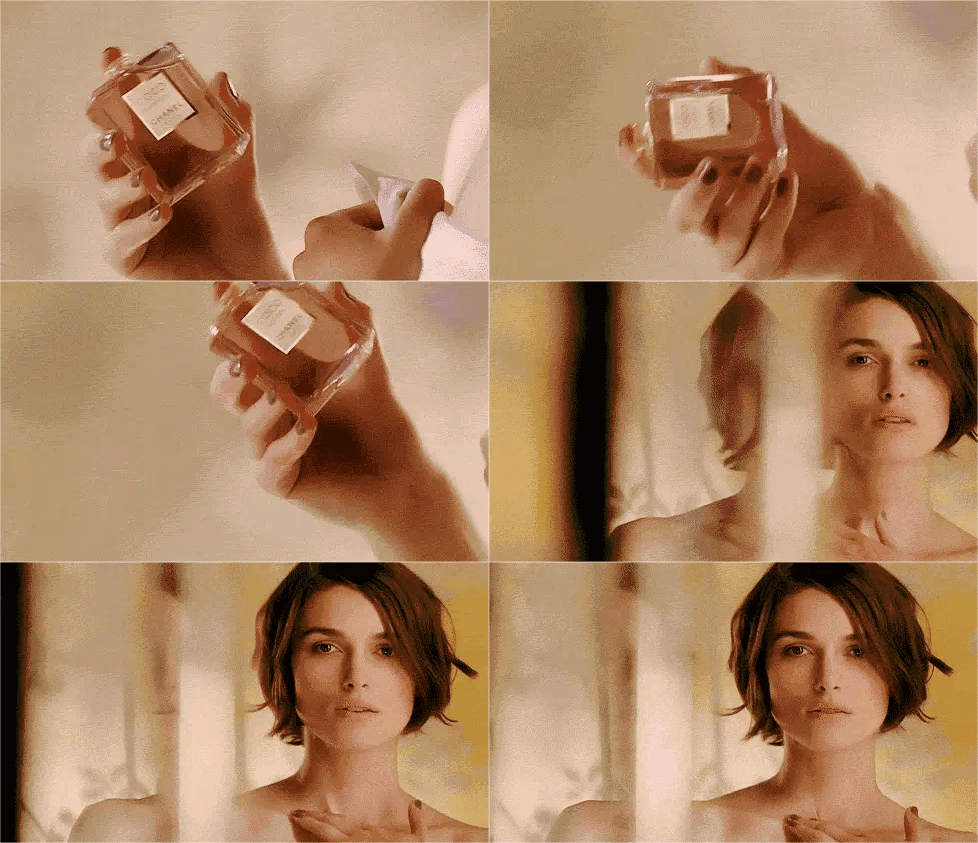
II. Can you layer different perfumes?
What would the scent be like if you mixed several perfumes together and sprayed them on your body?
If you are a beginner, it is best not to do this. This is because the formulation of every perfume is extremely complex, with each fragrance note carefully balanced; mixing several perfumes is likely to result in an unpleasant odour.
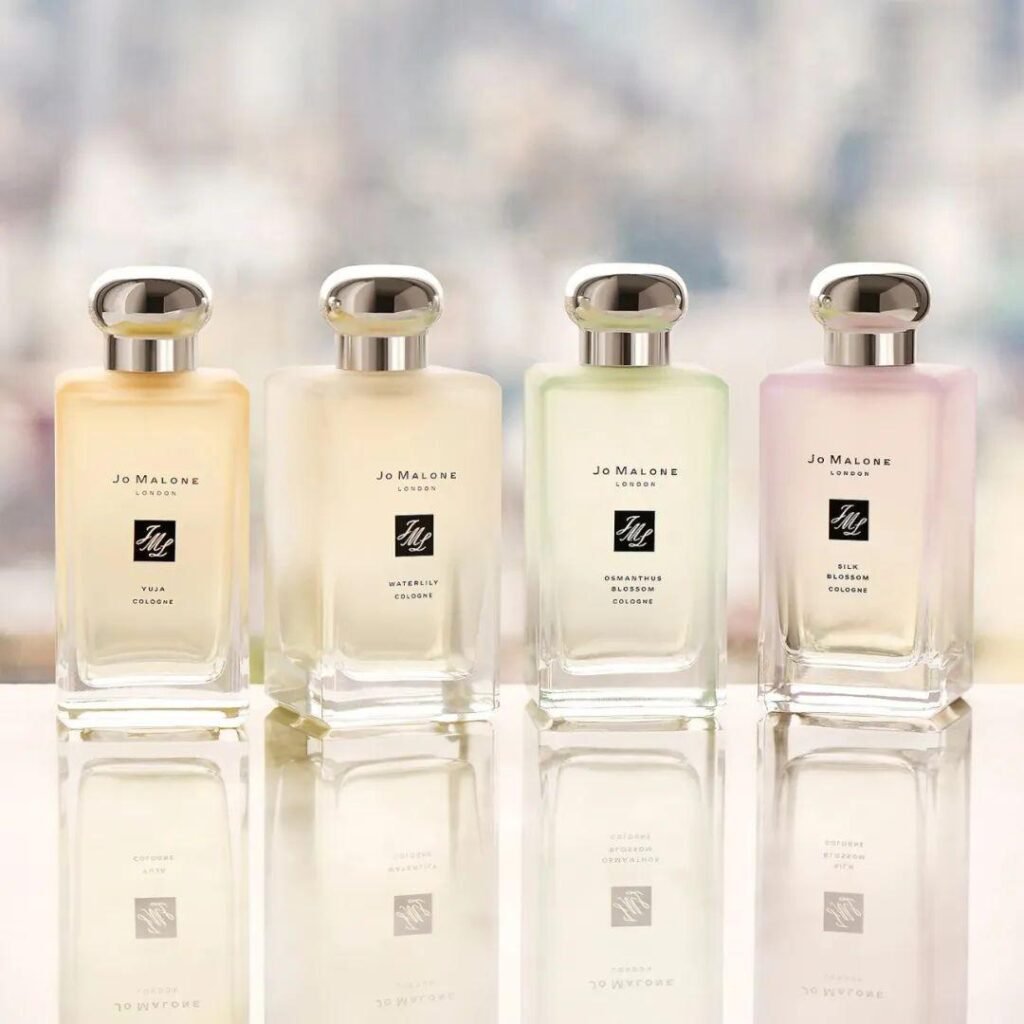
If you’re an experienced enthusiast, it might be worth giving it a go. Try to choose perfumes with relatively simple formulations and natural-sounding scents to blend together, whilst also considering whether the styles and notes complement one another.
Jo Malone is one of the few brands that actively promotes layering perfumes; additionally, Guerlain’s Floral Story collection is also well-suited to layering.
III. Where should you apply perfume?
Applying perfume to your body versus your clothes produces different effects.
① On Clothing (More Subtle)
When perfume is sprayed onto clothing, there is no chemical reaction between the perfume and the skin, so the fragrance’s true scent is revealed. It lasts longer but has poor diffusion, making it less likely to be noticed by others.
It is also important to note that the alcohol in perfume can damage materials such as silk and leather, whilst coloured perfumes may stain light-coloured clothing.
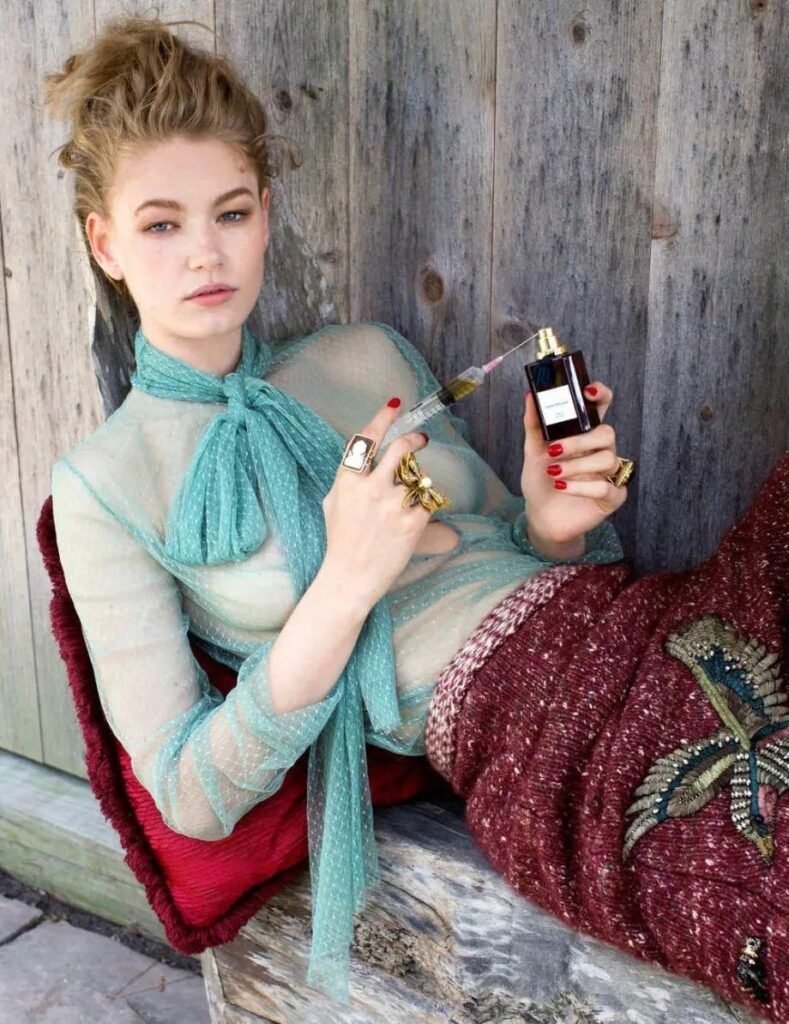
The inside of your clothes: The inside of your clothes is an excellent choice. If there is an inside pocket, you can spray it directly into the pocket; this way, the scent will waft out from the inside, enveloping you in a subtle, lingering fragrance.
Underwear: Spraying here is both discreet and alluring, and might even be mistaken for your natural body scent.
Collar and cuffs: These are also areas where the fragrance can only be detected when someone gets close, giving off a subtle and understated impression.
Skirt hem: Spraying here creates a romantic and elegant effect—after all, who could resist the scent wafting from a fluttering skirt hem?
Accessories such as scarves and gloves: This is another clever way to apply perfume; after all, the practice of spraying perfume onto gloves dates back a long time.
② Skin type (highly recommended)
Everyone’s skin contains unique chemical compounds. The same bottle of perfume will produce a unique scent when applied to different skin types. Furthermore, the scent of a perfume varies slightly depending on where on the body it is applied.
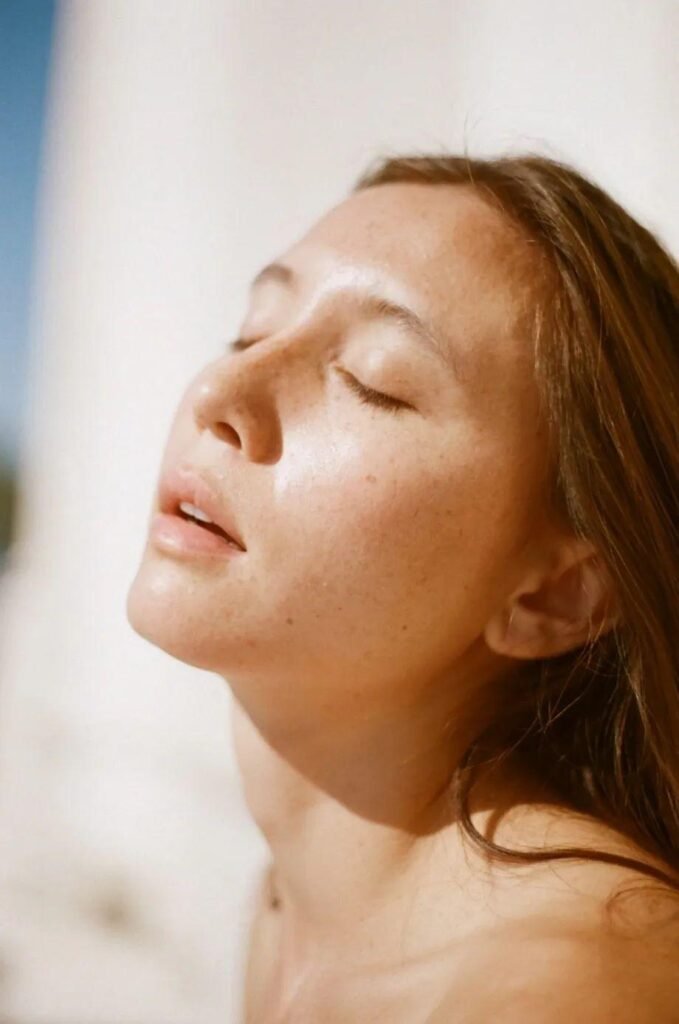
| Highly recommended * * * * *
Behind the ears: This spot is both intimate and sensual; you have to get very close to catch the scent, making it the perfect place to apply perfume.
The inner elbows and ankles: These are both pulse points. As these areas are constantly in motion, they are warmer than other parts of the body, which helps the perfume to evaporate.
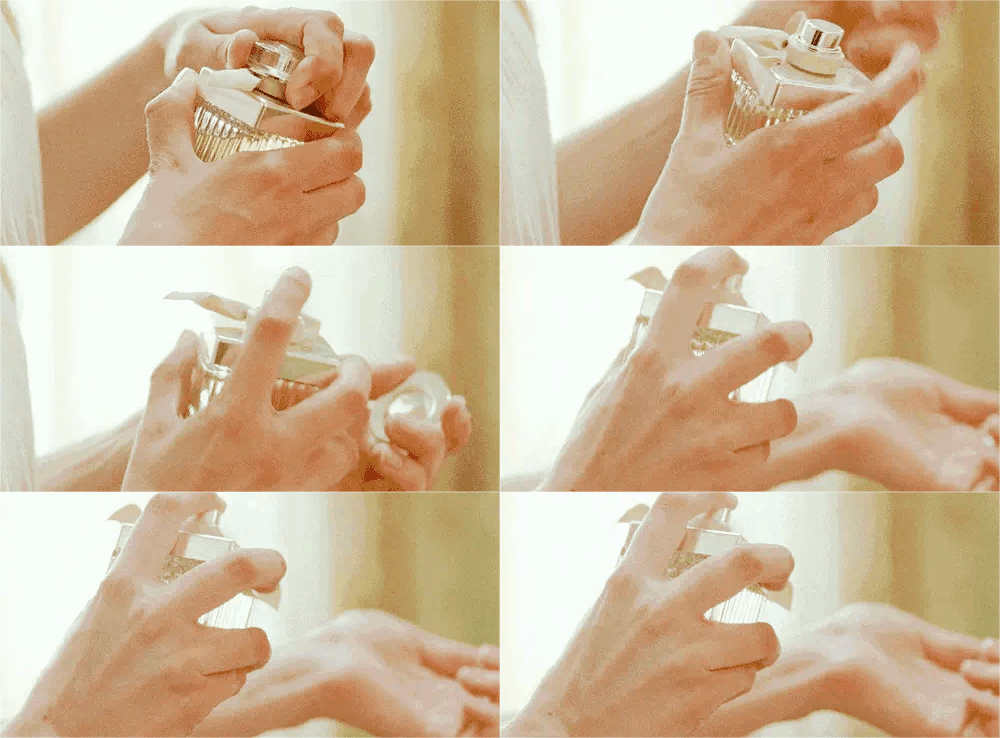
The inner thighs and behind the knees: When perfume is applied to the lower body, the scent gradually rises as the alcohol evaporates, producing a better effect than when applied to the upper body.
| Recommended ****
Around the navel: Whilst it is not a common practice to apply perfume here, it is an excellent choice. As the area is covered by clothing, the subtle scent emanates from within, creating the illusion of a natural body fragrance. However, please take care not to spray directly into the navel.
The back: When attending formal gatherings or annual events, applying a little perfume to the lower back of your evening gown can produce a truly stunning effect.
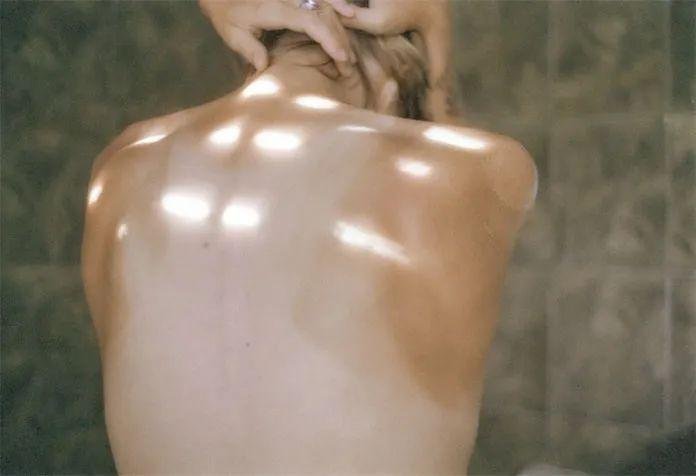
| Not recommended ***
Hair: In fact, the hair is not an ideal place to apply perfume. Some might argue that as your hair sways whilst you walk, it releases the fragrance—surely that’s a good thing? But don’t forget that perfume contains a high alcohol content, which can leave your hair dry and frizzy. If you wish to apply perfume to your hair, it is best to use a specialised hair fragrance spray.
Neck: This area is not suitable for use when wearing jewellery, as the chemical components in perfume can corrode the jewellery, causing it to lose its lustre or even suffer irreversible oxidation. Furthermore, the neck is often exposed to direct sunlight, and many perfume ingredients are derived from natural plants, such as bergamot oil. The long-wave ultraviolet rays in sunlight can react with the chemicals in the perfume, triggering a photochemical reaction that may cause inflammation or even dark spots on the delicate skin of the neck.
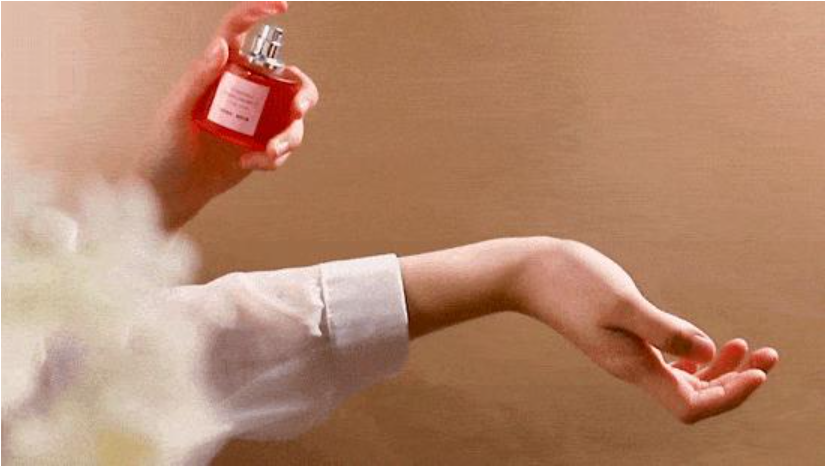
Wrists: The wrists are the most common place to apply perfume, but they are not actually suitable for everyone. As the wrists are constantly in motion, they are more prone to friction; furthermore, watch straps and other metal objects can alter the scent of the perfume. Additionally, because we wash our hands frequently, perfume applied to the wrists is easily washed away.
Jean Claude Ellena, Hermès’s in-house perfumer, has his own views on whether perfume should be applied to the wrists. He believes that the pH level on the inner side of the wrist is relatively low, and this acidic environment can cause the fragrance to alter, particularly in the case of citrus and floral scents.
A shower of perfume: As mentioned earlier, spraying perfume all over the body is a rather wasteful method. Whilst this technique allows you to feel enveloped by the fragrance, it is not only wasteful but also causes the scent to disperse quickly, resulting in a short-lived fragrance.
| Strongly discouraged *
Underarms: This area tends to sweat profusely, and the sweat often carries a strong body odour, so applying perfume here is a very bad idea. The scent mixes with body odour—it’s hard to put into words just how unpleasant it is.
Face: Perfumes contain high levels of alcohol, which can severely irritate the relatively delicate skin on the face and may even cause an allergic reaction.

Feet: The principle is the same as for the underarms; sweat from the feet and chemicals secreted by bacteria can also affect the scent and chemical balance of the perfume.
Intimate areas: Spraying perfume here may cause inflammation. Certain chemicals in perfume can irritate the intimate areas, leading to pain or even infection. Do not trust so-called ‘intimate area perfumes’.
IV. How to remove perfume?
Perfume typically lasts for only 2–3 hours. To achieve the best results, apply small amounts frequently and reapply regularly. If you accidentally apply too much perfume, the following tips can help remove the scent from your skin.
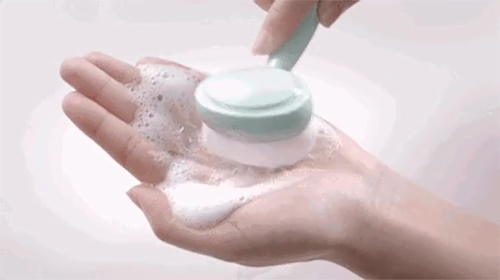
① Alcohol or alcohol-based wipes can be used directly to wipe the skin and remove the scent.
② Mix baking soda with warm water in a 1:1 ratio, apply to the skin, leave for ten minutes, then wipe off.
③ Mix white vinegar and olive oil in a 1:1 ratio, apply to the skin, leave for a few minutes, then wash off with soap.
V. Conclusion: The Ultimate Way to Apply Perfume
The ultimate way to apply perfume… is simply to apply it however you like! Whilst the correct application technique can maximise the fragrance’s effect, when it comes to a product like perfume—which enhances the quality of life—there’s no need to get too hung up on rules and regulations. Pick up the bottle and spray it however takes your fancy; as long as it makes you happy, that’s the best way!